
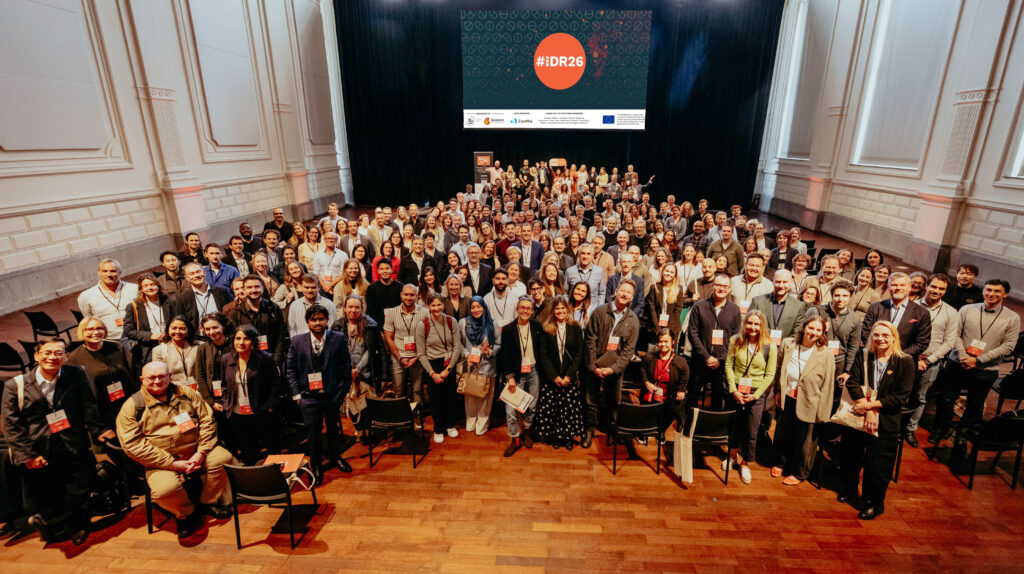
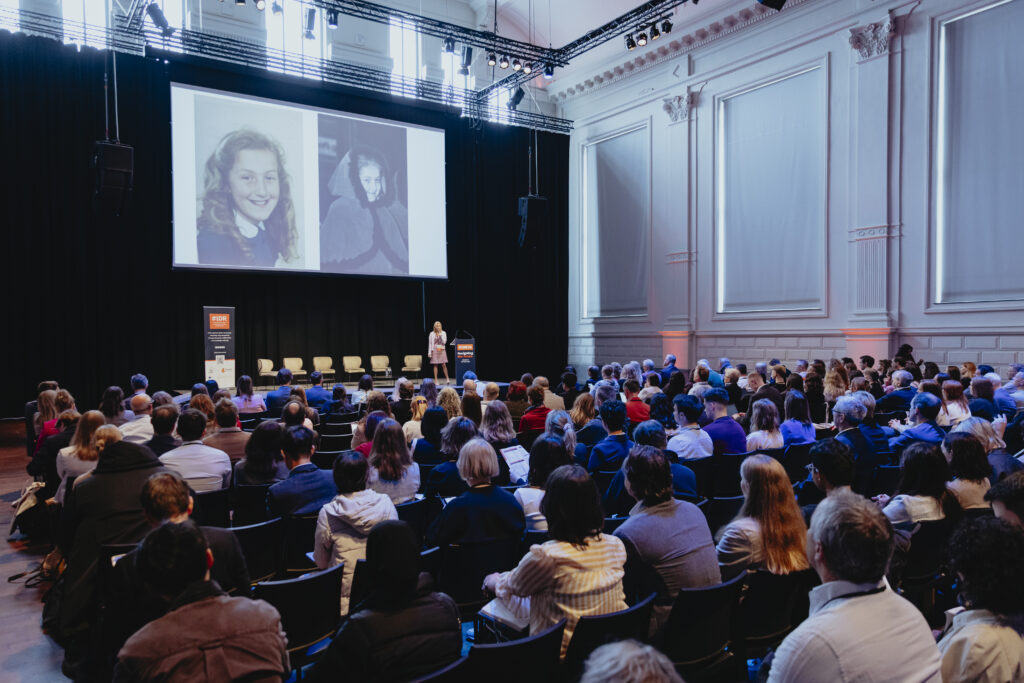
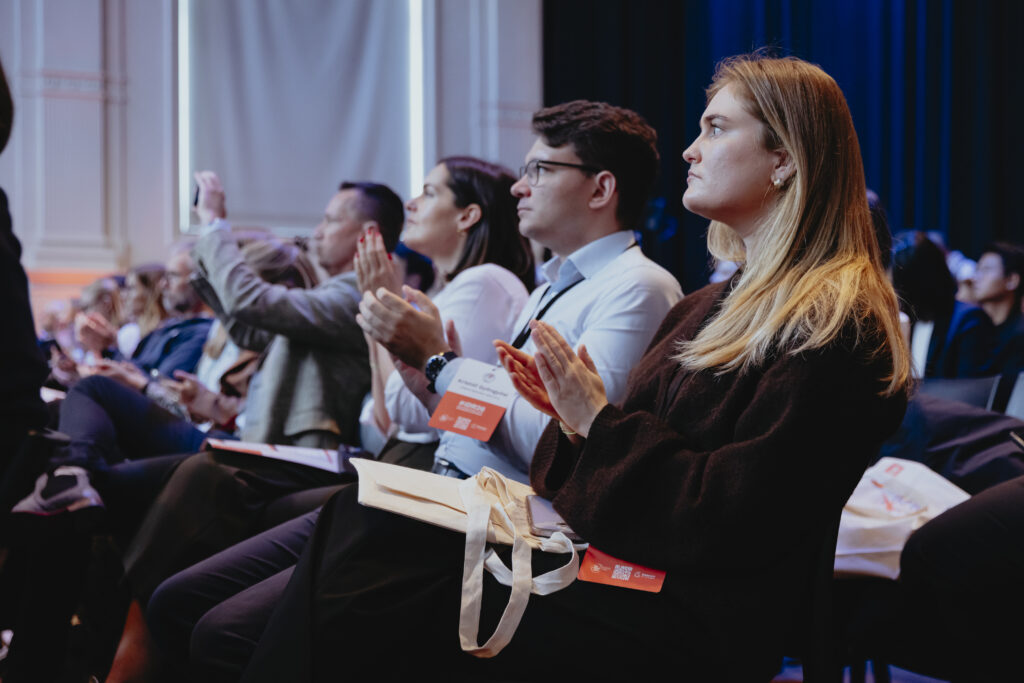
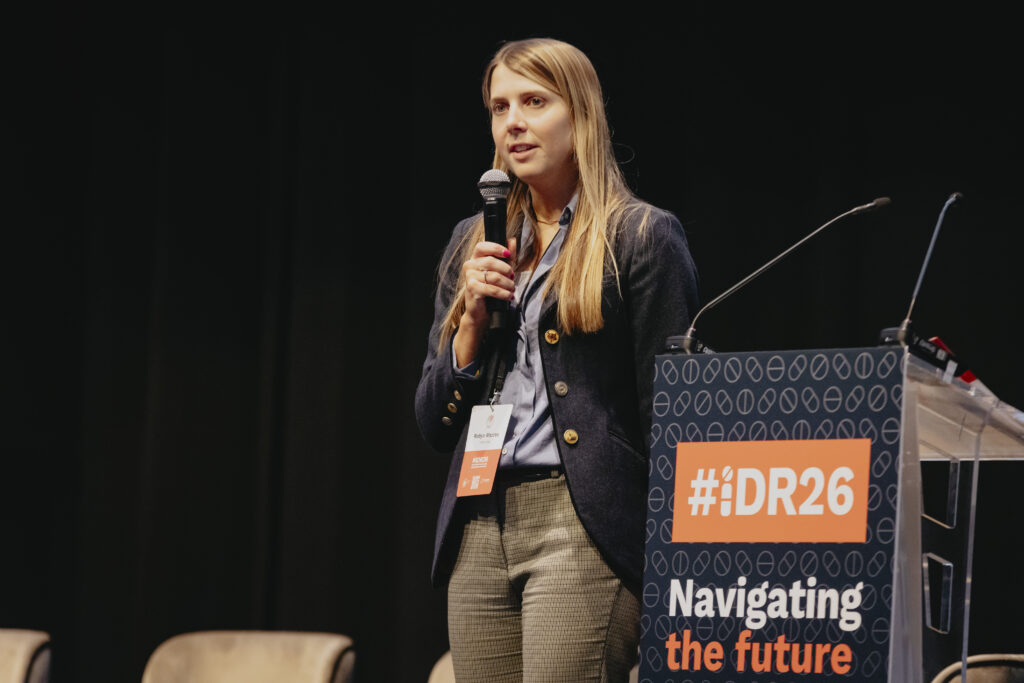
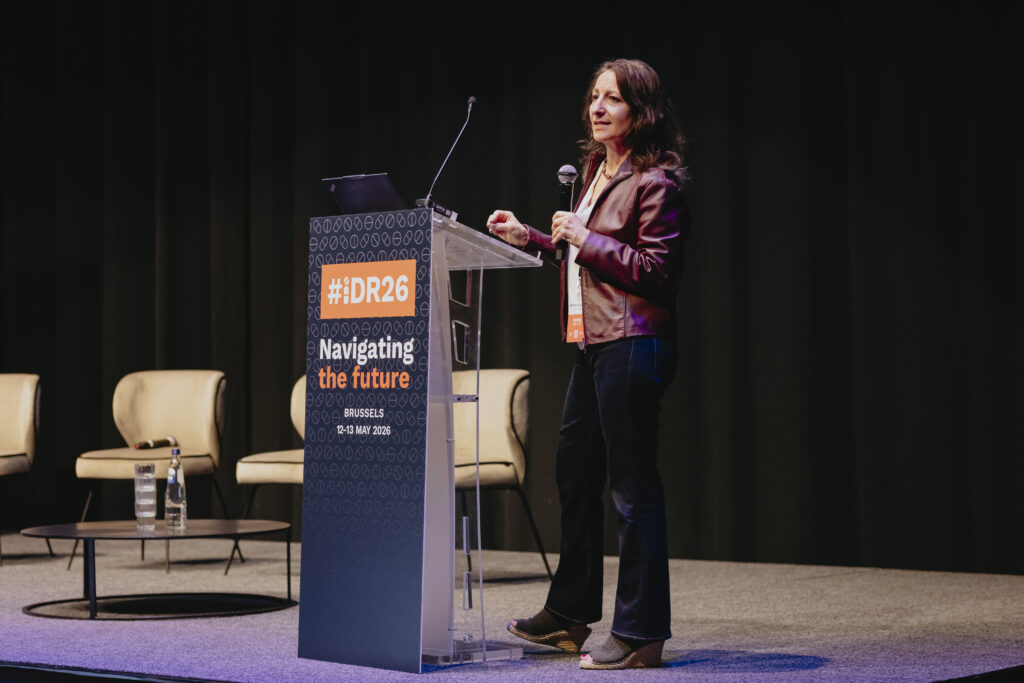
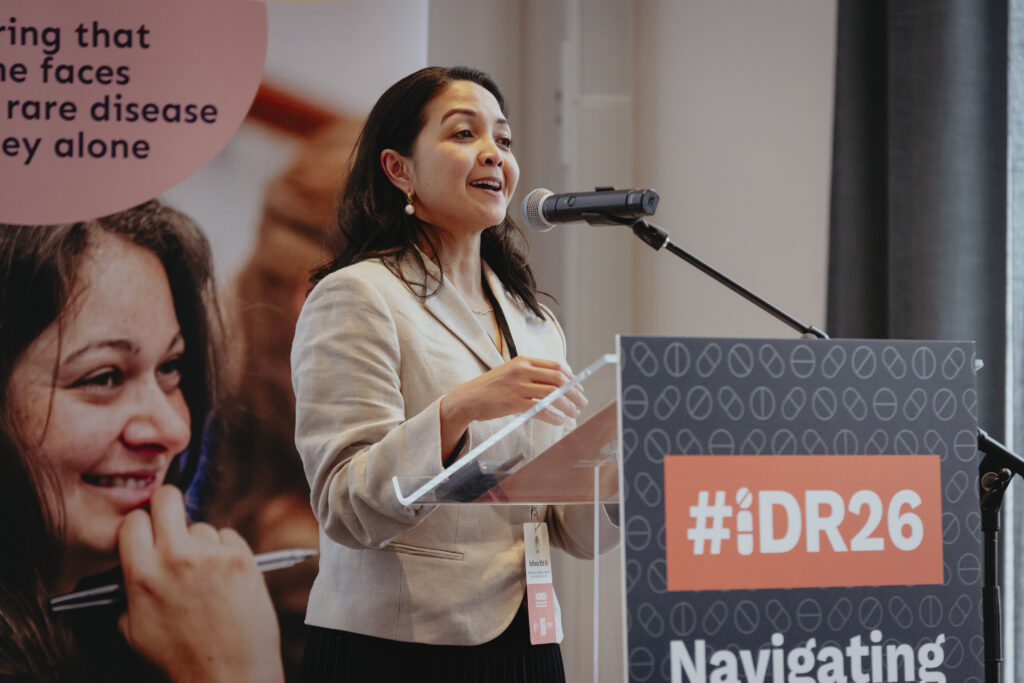
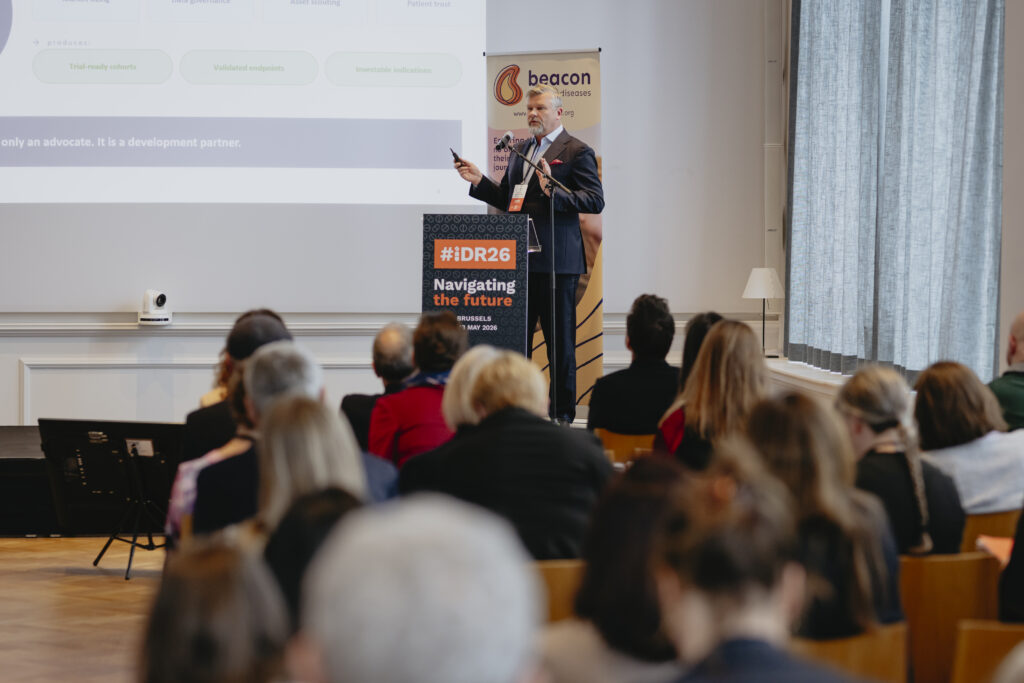
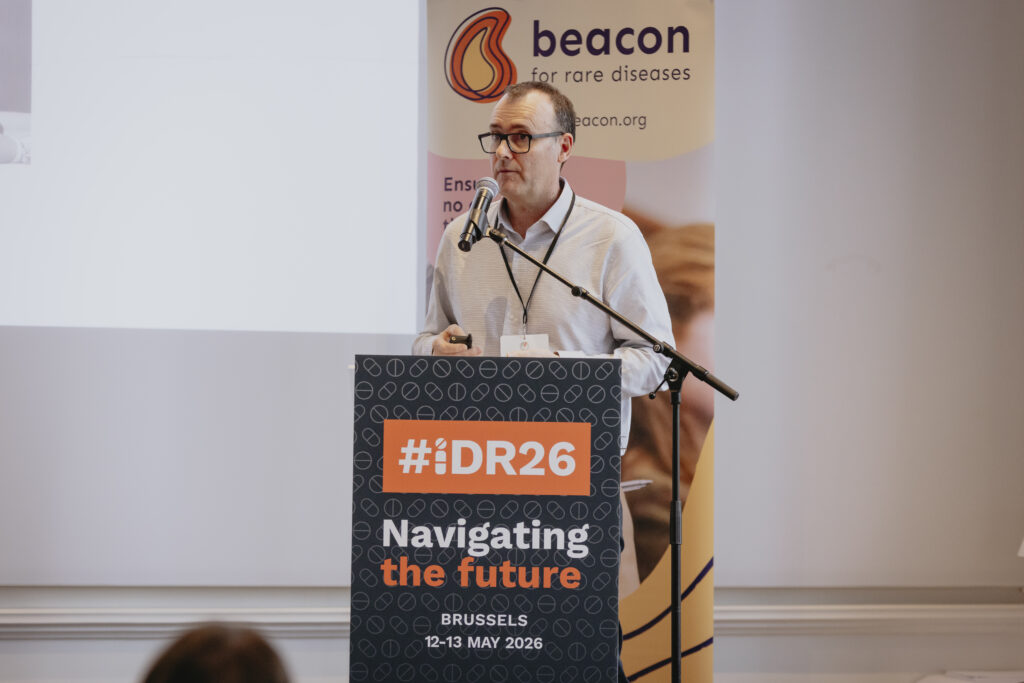
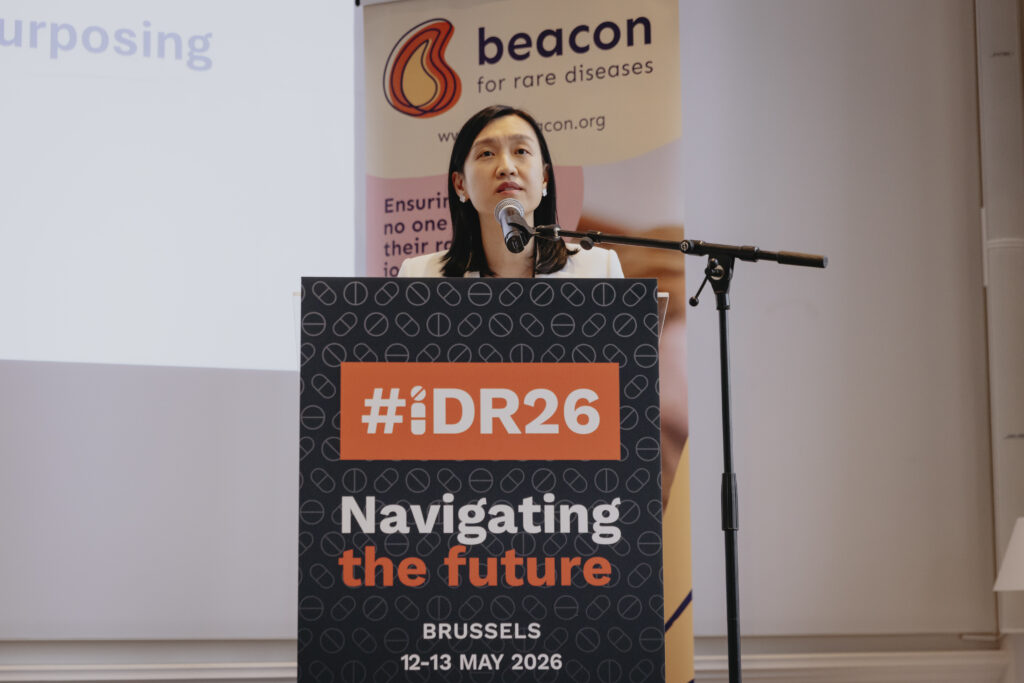
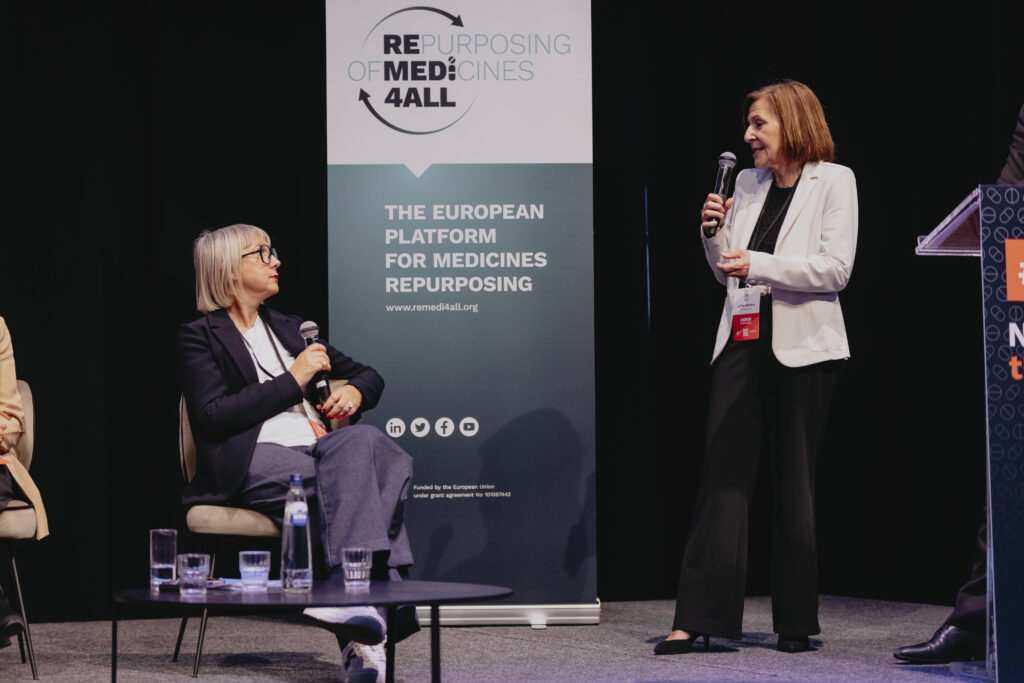
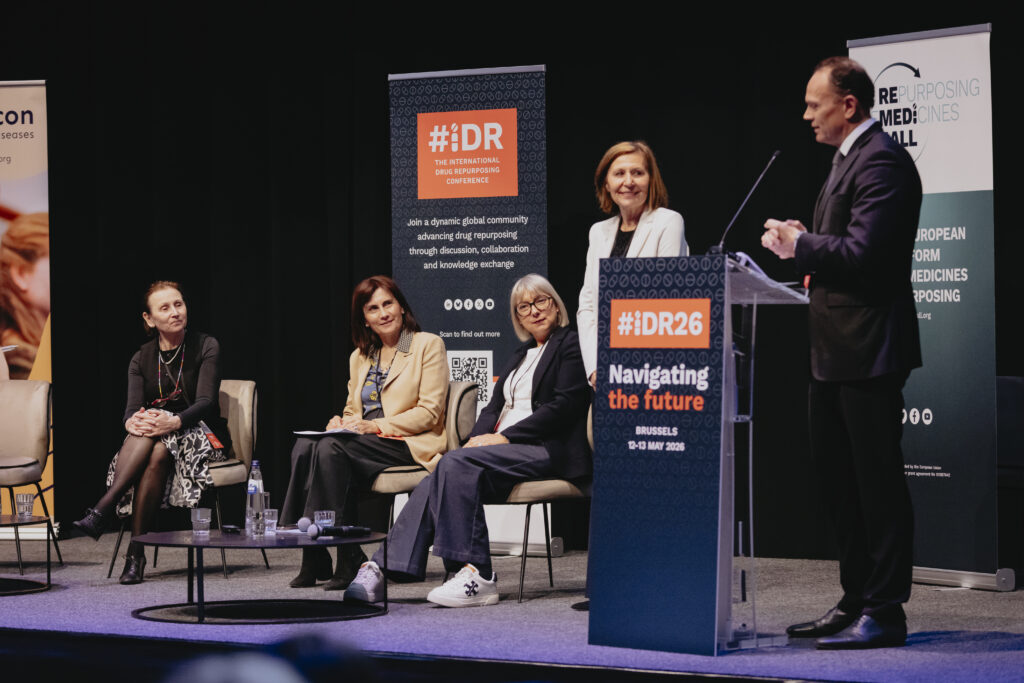
Over 250 people gathered at Maison de la Poste in Brussels on 12–13 May 2026 to celebrate the third edition of the International Drug Repurposing Conference (iDR26). Organised by REMEDi4ALL and Beacon for Rare Diseases, this year’s theme, “Navigating the future”, set the stage for two days of discussions on advancing patient-centred drug repurposing.
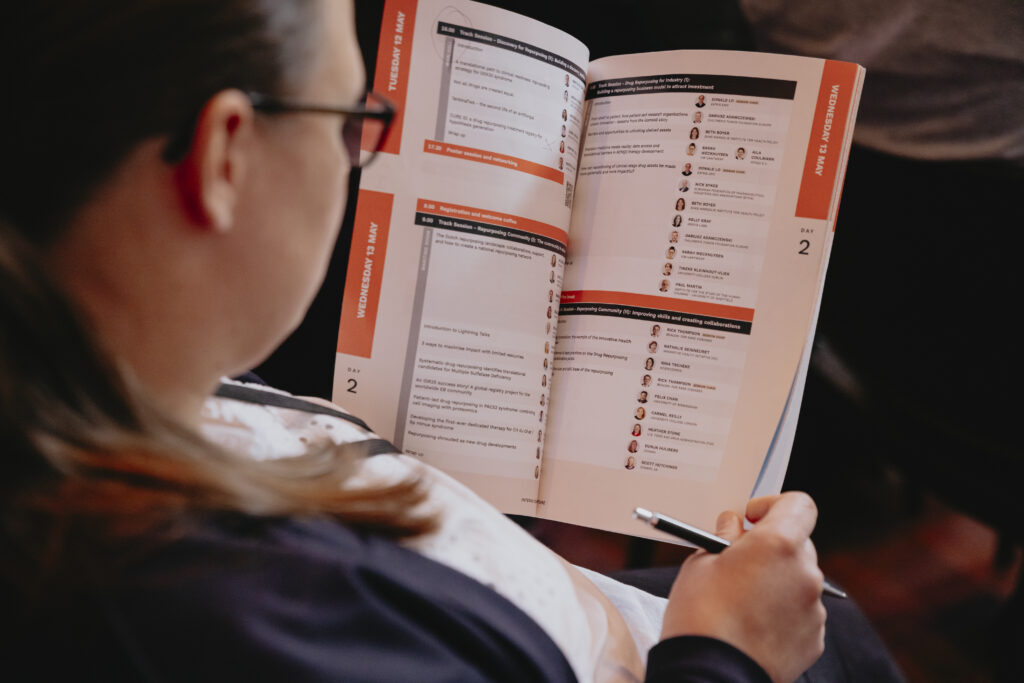
Bringing together researchers, clinicians, patient organisations, industry, regulators and funders, the conference combined plenary sessions with four thematic tracks – Drug Repurposing for Rare Diseases, Discovery for Repurposing, Drug Repurposing for Industry and the Repurposing Community – alongside discussions with European policymakers and presentations of cutting-edge research.
Together, these perspectives reflected the growing diversity of the field and highlighted how emerging tools, evolving frameworks and collaborative models can better translate repurposing efforts into patient benefit.
Putting patients at the centre of the conversation
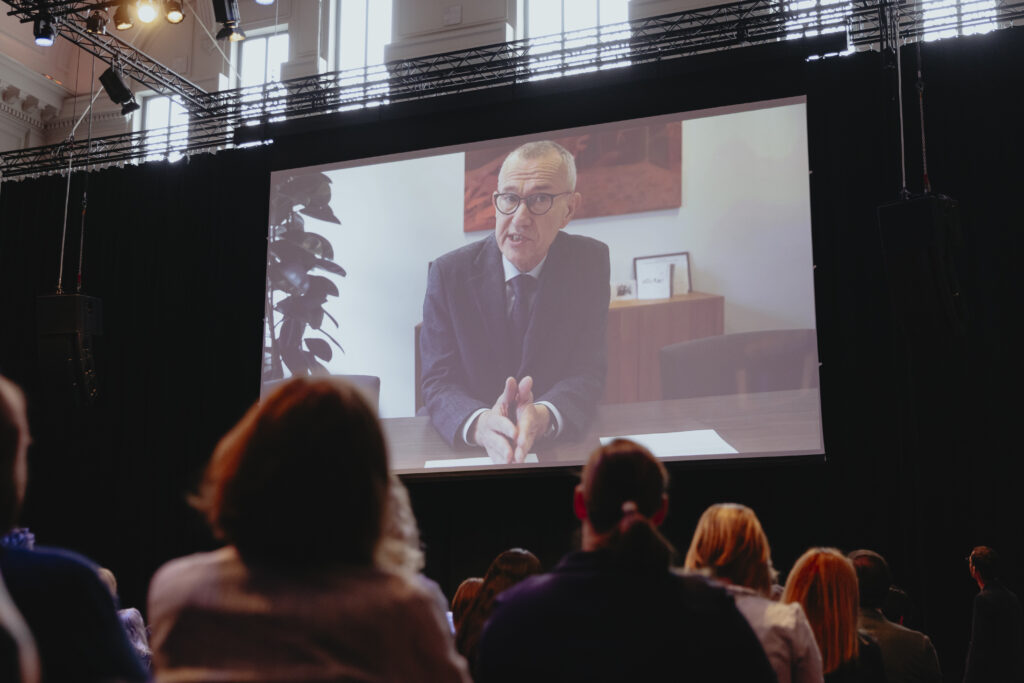
The opening plenary set the tone by grounding discussions in patient experience, complemented by an address from the Belgian Ministry of Health highlighting the growing policy relevance of drug repurposing at national level.
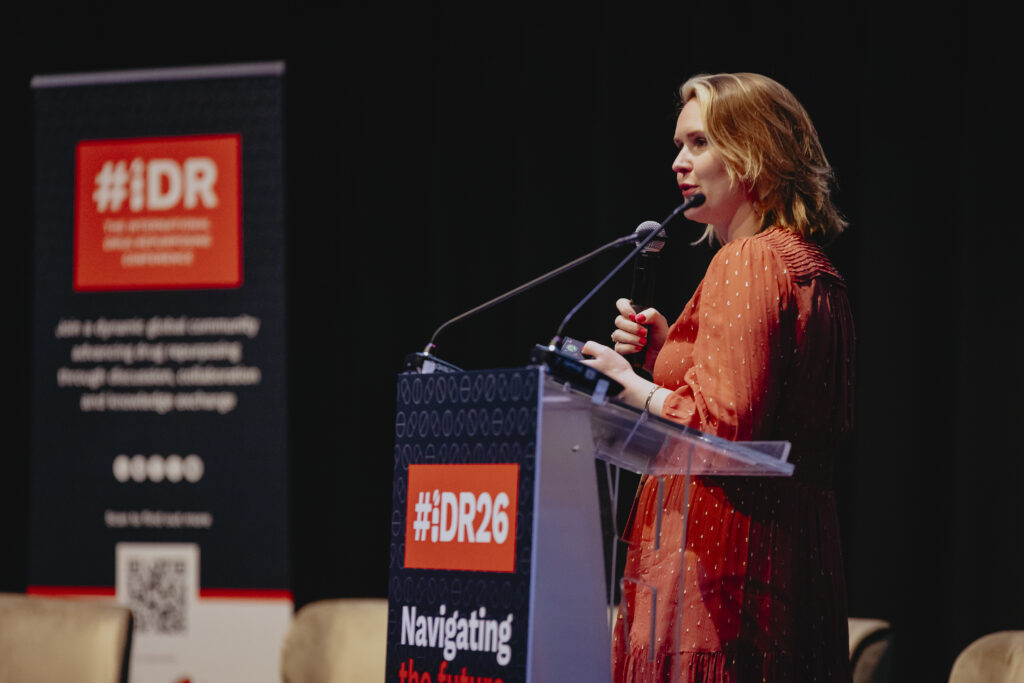
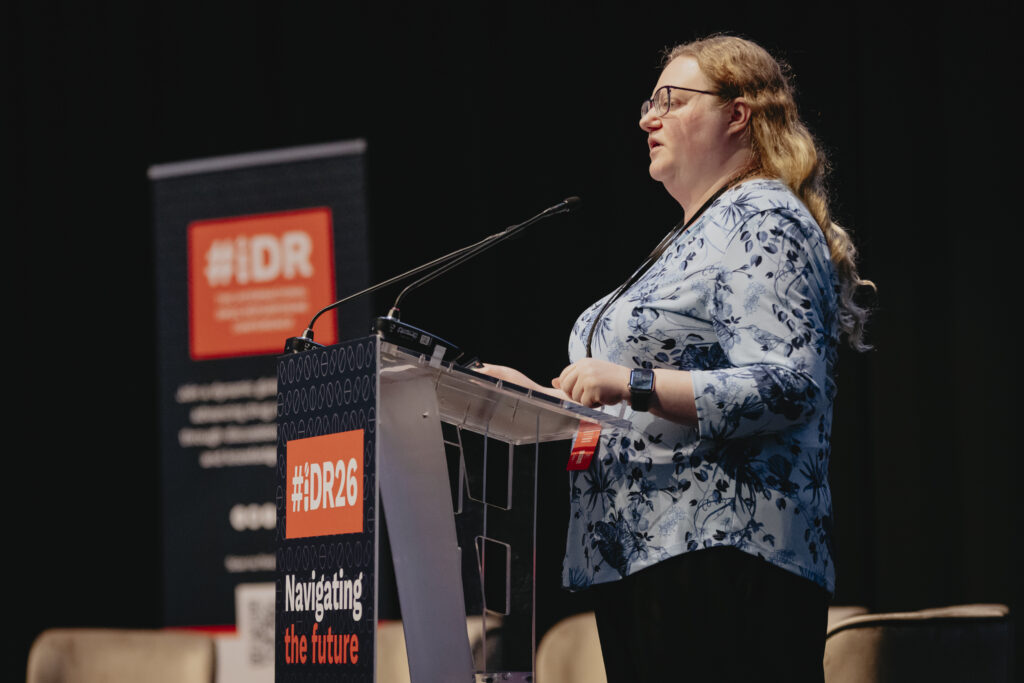
Suzanne Morris, speaking from her experience of living with paroxysmal nocturnal haemoglobinuria (PNH), highlighted both the clinical and psychological dimensions of living with a rare condition. Her reflections on invisibility, delayed diagnosis and the need for mental health support reinforced a recurring message throughout the conference: repurposing efforts must be designed with patients, not only for them.
This perspective was echoed across sessions. Julian Isla (Foundation 29) emphasised that the role of patients remains underestimated across the drug development lifecycle, while several speakers pointed to the need to embed patient input from early research through to regulatory engagement and access.
At the same time, contributions from patient organisations such as the CATS Foundation illustrated both the opportunities and responsibilities associated with engagement, highlighting how collaboration must be accompanied by transparency and careful communication with patient communities
Rethinking innovation and incentives
Alongside these perspectives, the first plenary sessions examined the structures shaping drug repurposing.
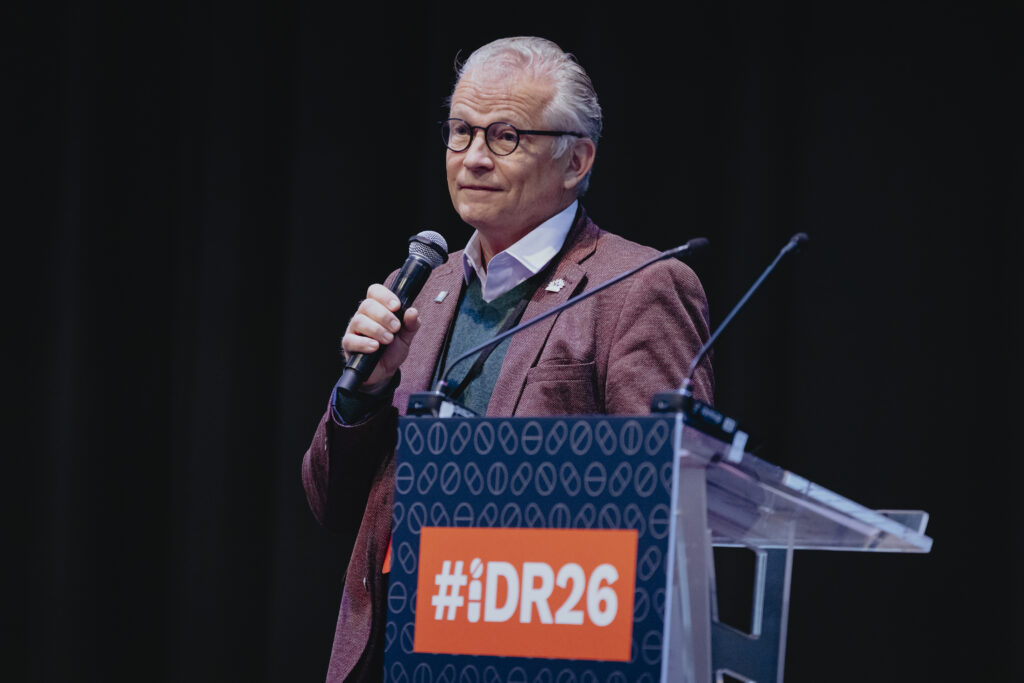
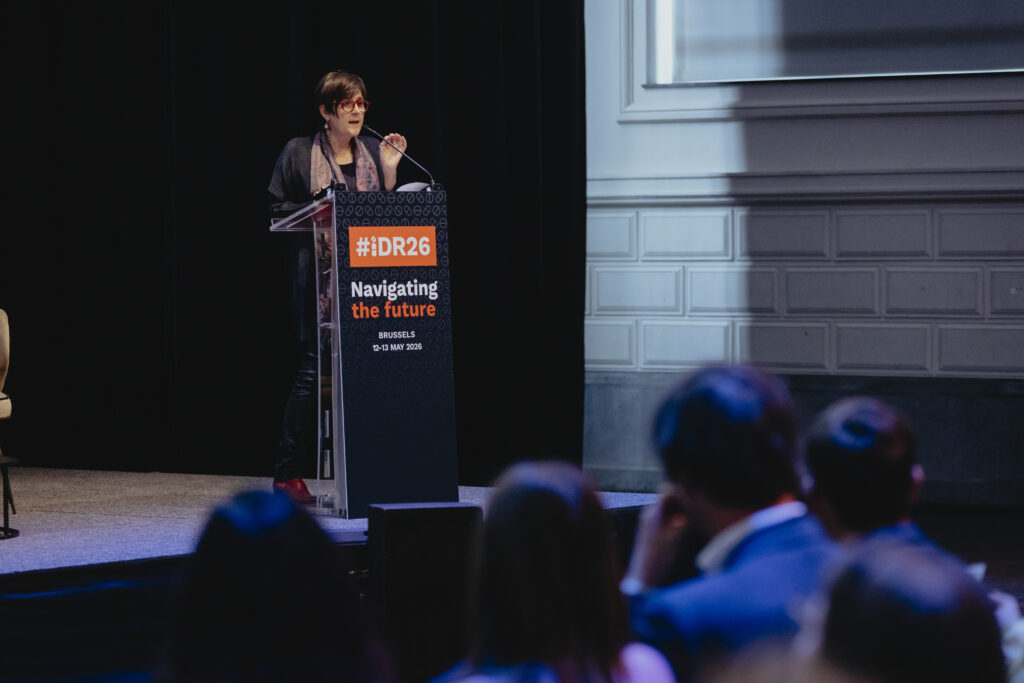
Els Torreele drew attention to the limits of current innovation models, arguing that existing incentive systems, particularly those centred on patentability, do not necessarily align with public health priorities. Her presentation called for a broader rethinking of how innovation is defined and rewarded, particularly in the context of neglected diseases and unmet medical needs.
From a complementary perspective, Miikka Vikkula presented ongoing work on vascular anomalies, demonstrating how repurposing and reformulation strategies can provide therapeutic options where standard treatments remain non-curative.
Heleen van der Meer (ZonMw) further highlighted the importance of coordinated funding approaches through the REMEDi4ALL Funders Network, positioning it as a mechanism to address fragmentation and support more continuous pathways from discovery to patient access.
Building effective repurposing ecosystems
The second plenary shifted the focus towards policy and ecosystem development, with contributions from regulators and government representatives.
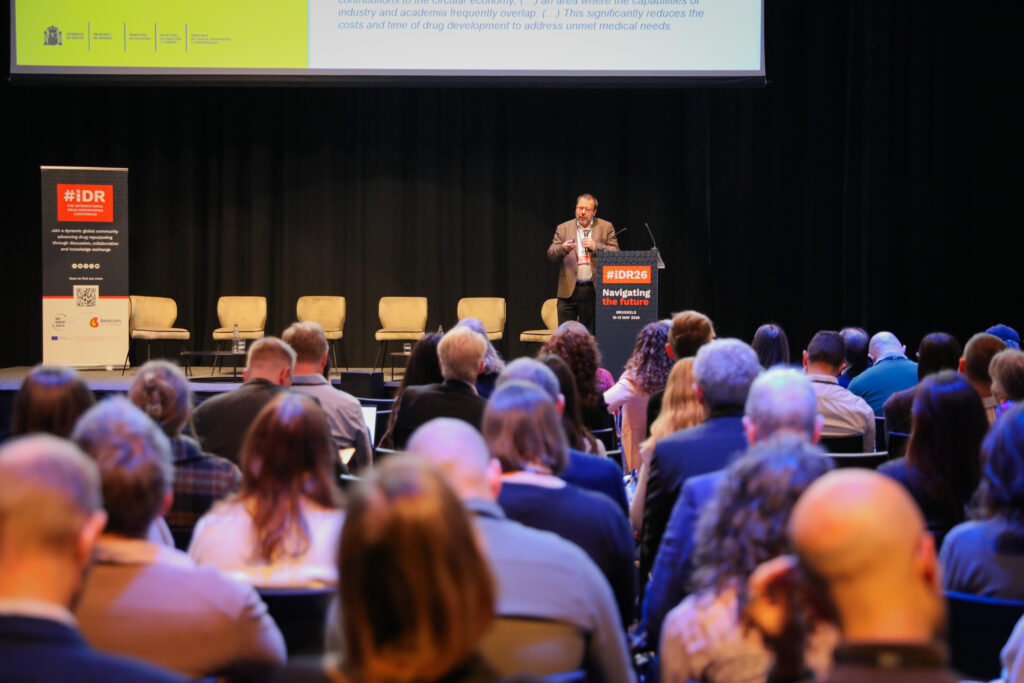
César Hernández highlighted the integration of drug repurposing within Spain’s pharmaceutical strategy for 2024–2028, positioning repurposing as a convergence point for academia, industry, regulators and patients.
At the European level, Yoana Nuevo-Ordóñez (AEMPS) presented insights from the STAMP initiative, outlining both progress and persistent challenges in supporting new therapeutic indications for established medicines. These included limited regulatory knowledge, financing gaps and the need for stronger early collaboration between non-profit developers, regulators and marketing authorisation holders.
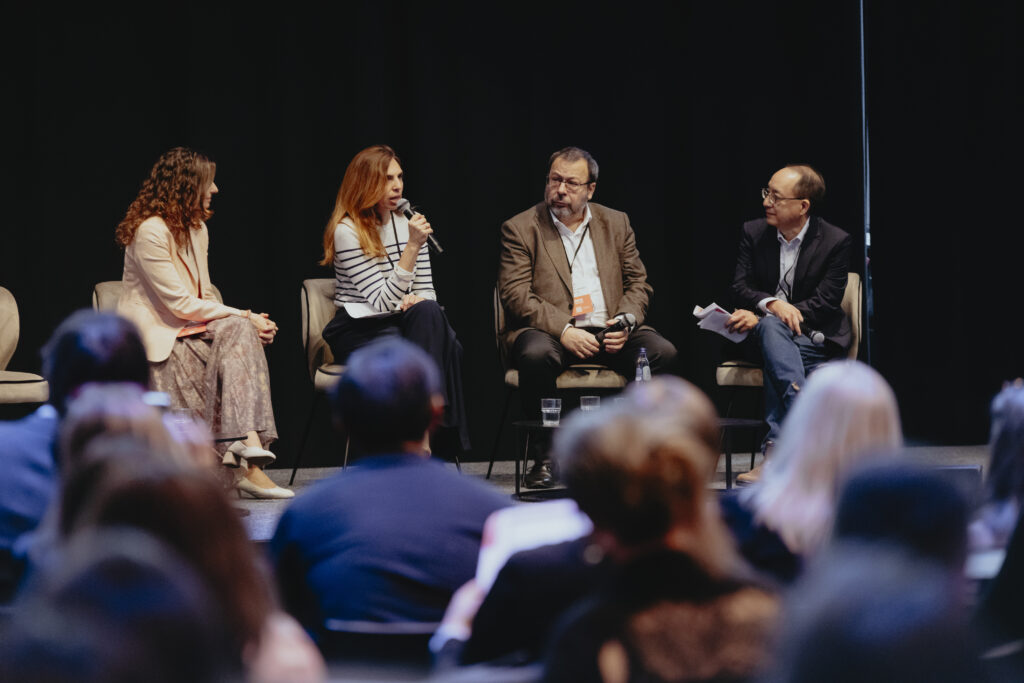
Across these contributions, a consistent message emerged: effective repurposing ecosystems require coordinated action across stakeholders, supported by clearer pathways, aligned incentives and shared understanding of regulatory processes.
From discovery to application: advances and limitations
Across the Discovery for Repurposing track, sessions showcased ongoing developments in AI, data integration and in silico modelling.
Speakers from organisations including EveryCure and Biolizard demonstrated how computational approaches are being used to identify new therapeutic opportunities and improve prediction of clinical success. At the same time, discussions highlighted important limitations, particularly around data quality and standardisation. As noted during the session, AI models remain dependent on the quality of underlying datasets, with inconsistent or incomplete data constraining their reliability.
Complementary approaches were also presented, including treatment registries such as CURE ID (U.S. Food and Drug Administration), which enable the collection and sharing of real-world treatment experiences to support hypothesis generation, particularly in areas where clinical evidence is limited.
Taken together, these sessions reflected both the rapid evolution of discovery tools and the need for robust, shareable data to support their effective use.
Poster session to feature latest research
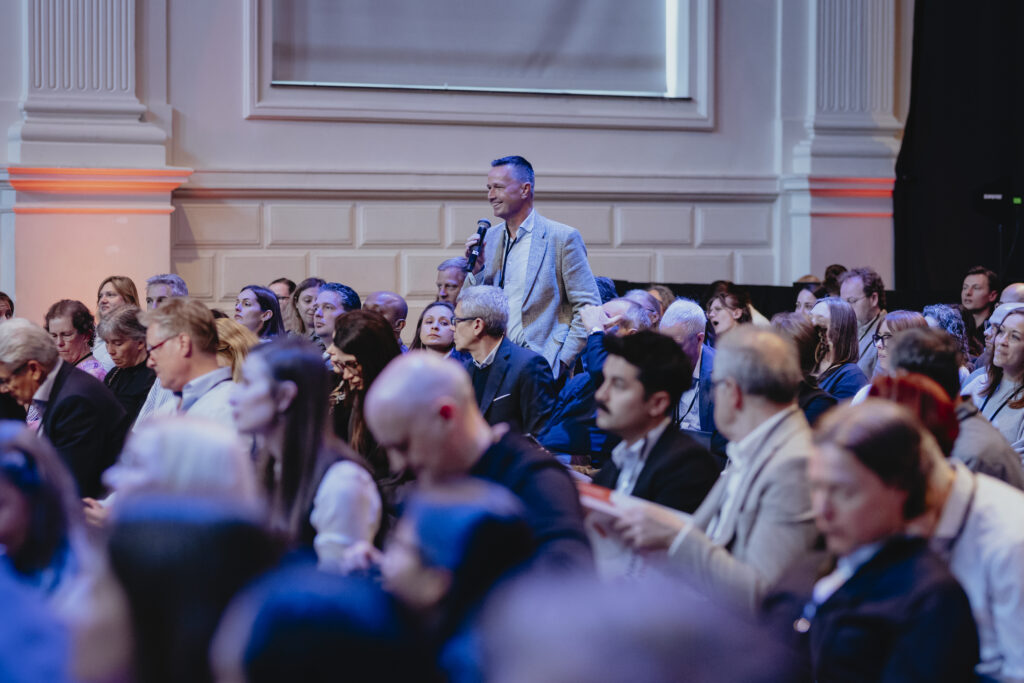
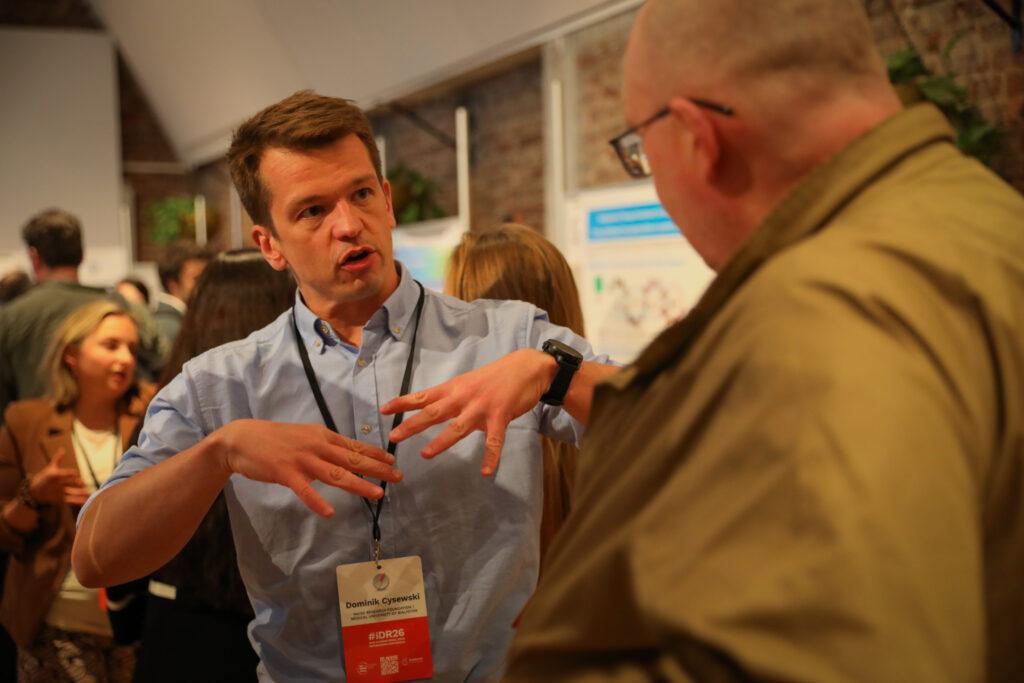
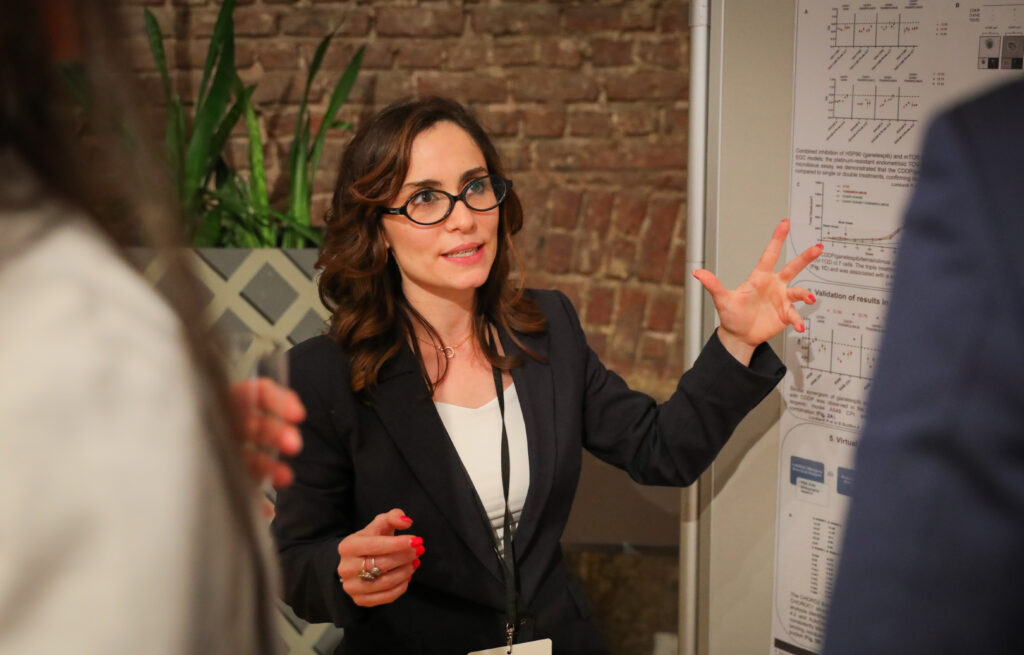
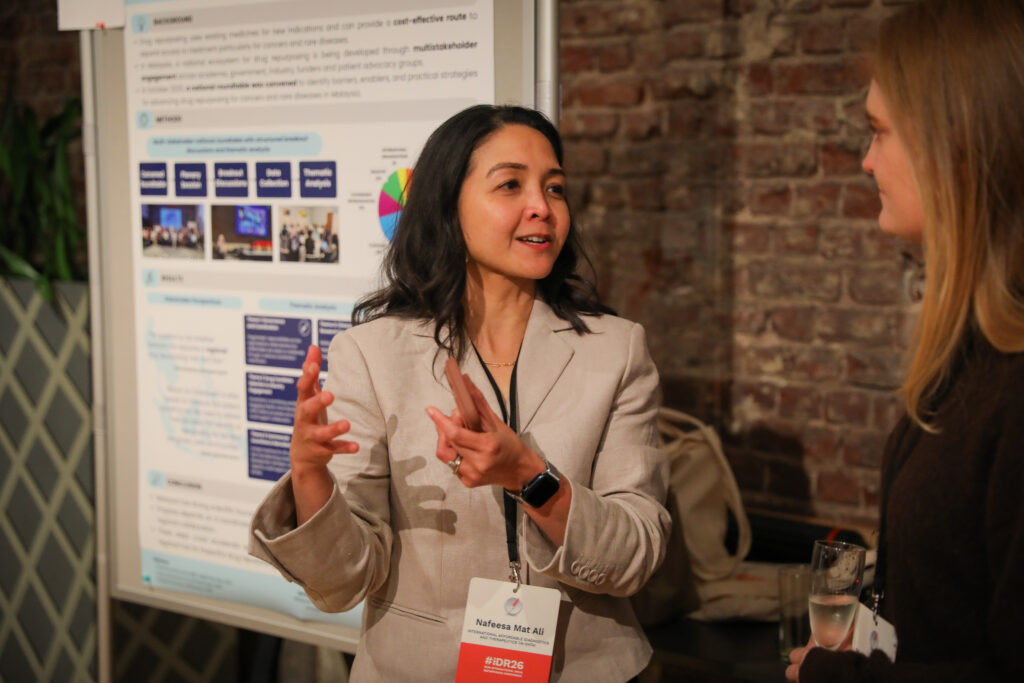
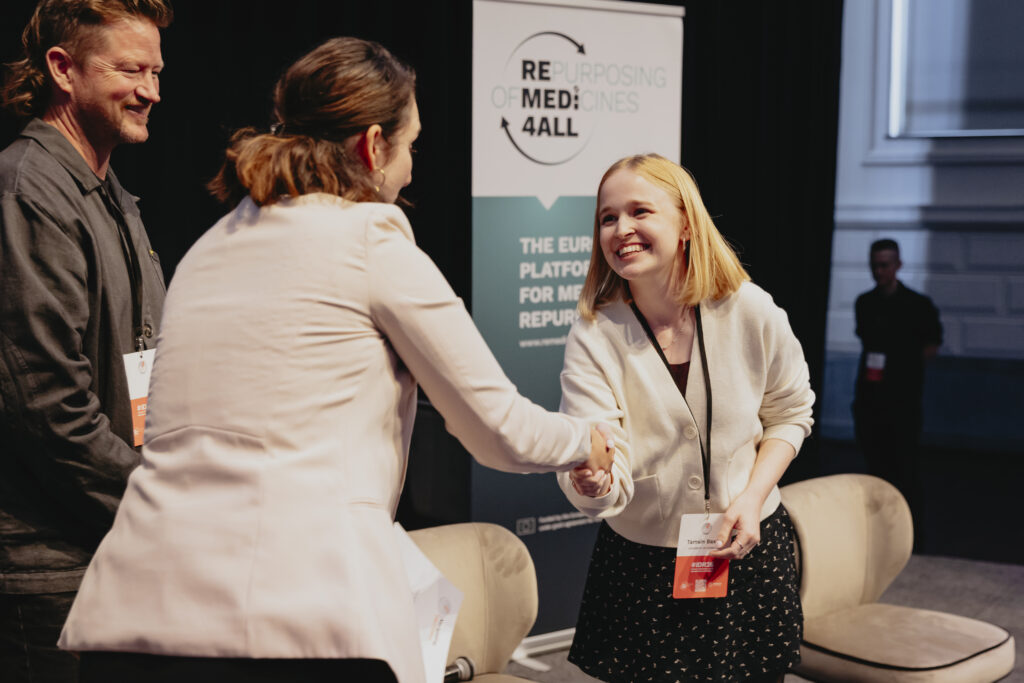
The poster session provided an opportunity for researchers to showcase their latest findings and innovative approaches in drug repurposing. This interactive session allowed for networking and collaboration, fostering a dynamic exchange of ideas and potential partnerships. Moreover, posters were evaluated by expert judges with Tamsin Baxter from University of Edinburgh, winning the poster competition for her work on: “Drug Repurposing to Modulate eEF1A2-expression in a Rare Neurodevelopmental Disorder”.
Drug repurposing for industry: from assets to access
Dedicated sessions within the Drug Repurposing for Industry track focused on the practical challenges of translating repurposing opportunities into viable development and investment pathways.
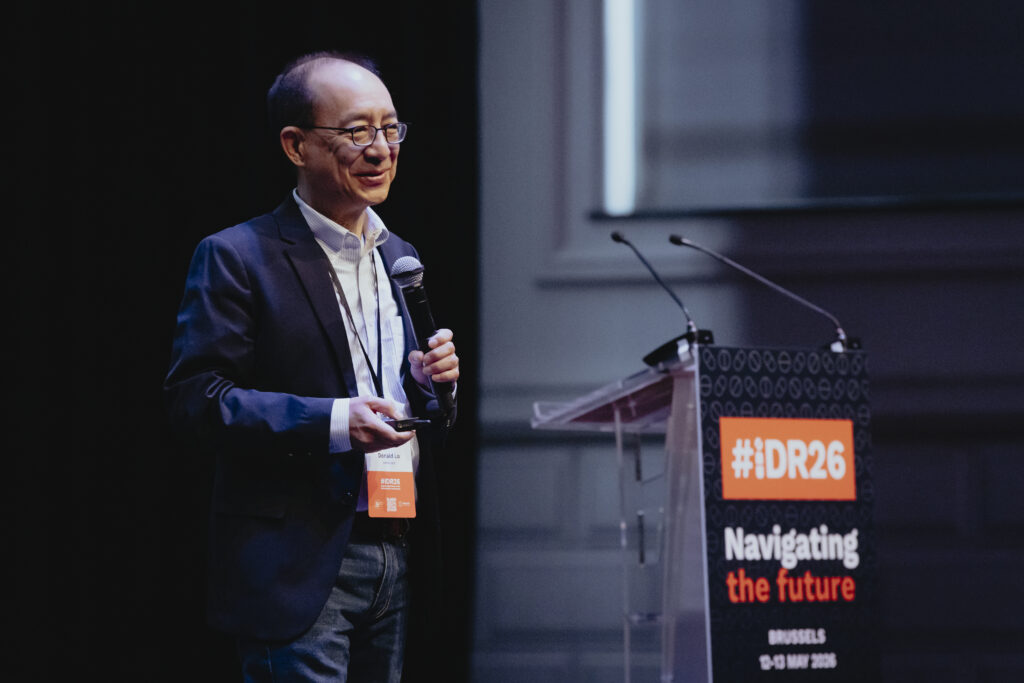
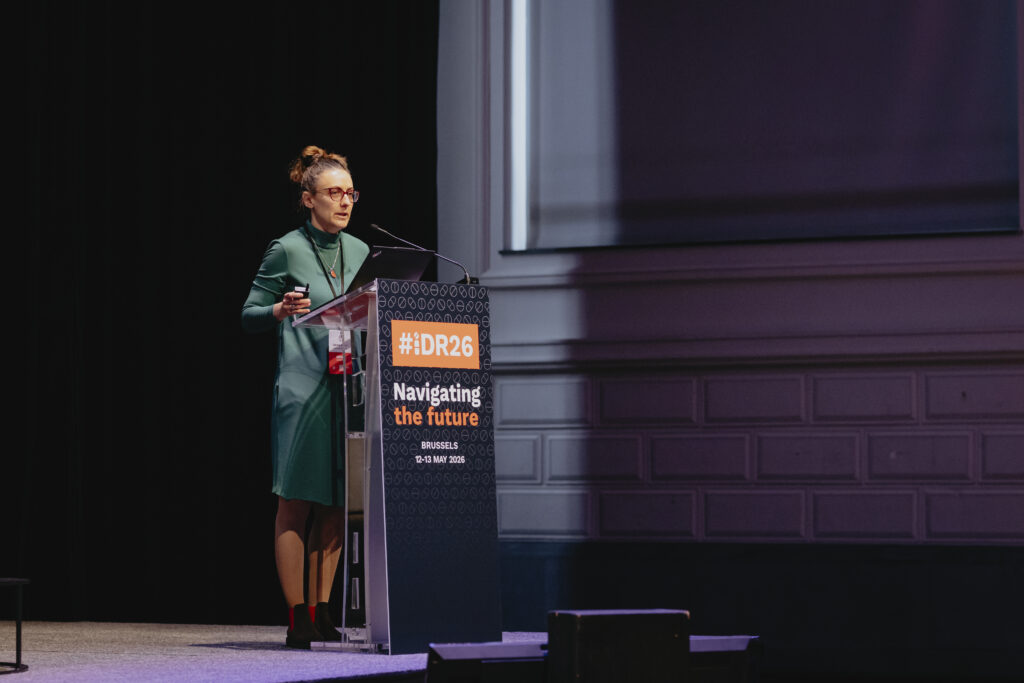
Discussions, chaired by Donald Lo (EATRIS) and Raluca Radu (Medicines for Europe), explored how shelved assets and clinical-stage compounds can be repositioned more systematically, and how patient-led research organisations can contribute to unlocking innovation in this space.
Across presentations and panels, speakers from organisations including the Children’s Tumor Foundation Europe, Duke-Margolis Institute for Health Policy and Cures Within Reach highlighted both opportunities and persistent barriers – including data access, translational gaps and the complexity of aligning scientific, regulatory and commercial strategies.
Syreon Research Institute presented REMEDi4ALL’s policy work, further examining challenges specific to off-patent medicines, alongside potential incentive mechanisms to support their development. Together, these discussions emphasised the importance of coordinated approaches to de-risk repurposing projects and enable their progression towards patient access.
Rare diseases and global perspectives
Rare diseases remained a central focus across the programme, both in scientific discussions and in the Drug Repurposing for Rare Diseases track.
Contributions from speakers including Shirlene Badger (Illumina) highlighted ongoing disparities in access to data, diagnosis and treatment, noting that advances in genomics and precision medicine are not yet equitably distributed. Similar challenges were reflected in global perspectives, with Nafessa Mat Ali (City St George’s, University of London / IA-DATA) pointing to significant access barriers in regions where healthcare costs are largely borne out of pocket.
Case studies presented during the sessions illustrated how repurposing can respond to urgent clinical needs. Jordi Surrallés (Sant Pau Research Institute) described efforts to repurpose treatments for patients with Fanconi anaemia, where improvements in care have extended life expectancy while creating new unmet needs in adulthood.
Patient organisations were again shown to play a key role in these efforts. Initiatives from the Children’s Tumor Foundation Europe and the Citrin Foundation demonstrated how patient groups are increasingly contributing to building infrastructure, coordinating research and shaping end-to-end development pathways.
Strengthening the community and its capabilities
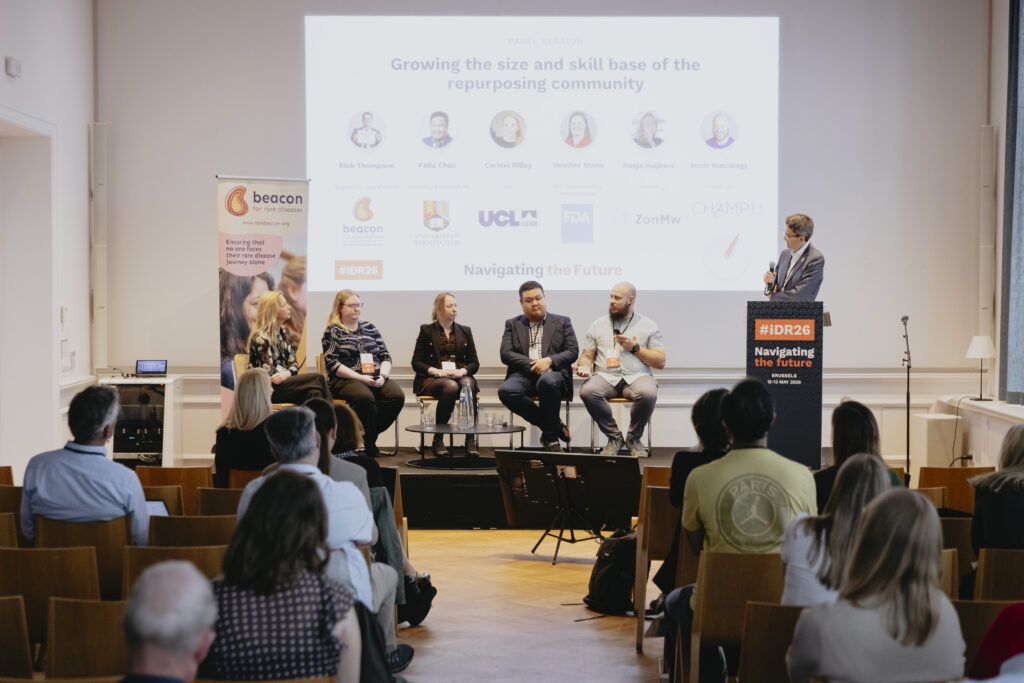
The Repurposing Community track focused on strengthening collaboration, skills and capacity across stakeholders.
Discussions chaired by Rick Thompson (Beacon for Rare Diseases) highlighted gaps in training and expertise, particularly in translating academic research into clinical and market-ready solutions. Speakers including Carmel Reilly (University College London) and Dunja Huijbers (ZonMw) pointed to the need for researchers to develop skills beyond publication-focused outputs, including regulatory engagement, commercialisation strategies and long-term study design.
The importance of sharing knowledge more openly was also emphasised. Heather Stone (FDA) highlighted the need to make treatment experiences, including both successes and failures, accessible to the wider community.
Beyond approval: ensuring real access for patients
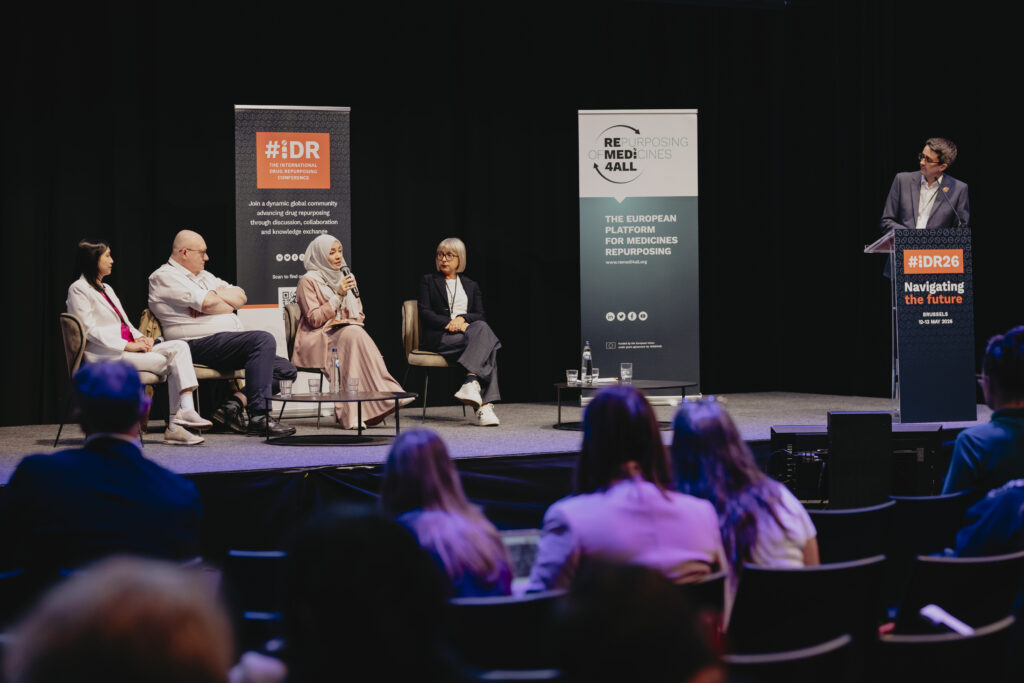
A final patient-centred plenary panel brought the focus back to patient experience from the perspective of access, uptake and real-world impact.
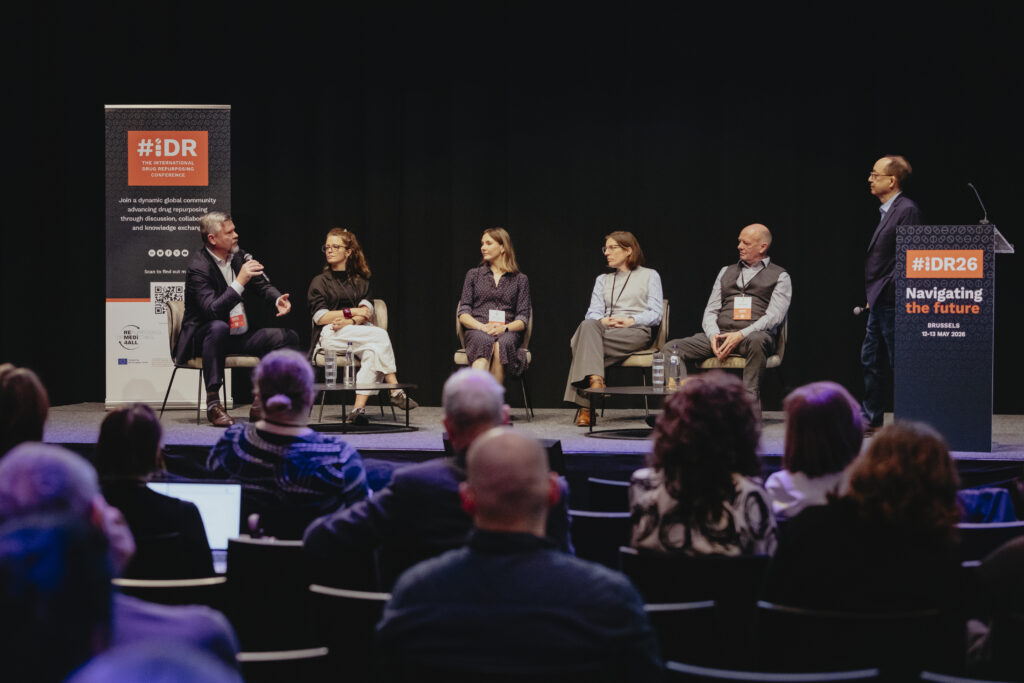
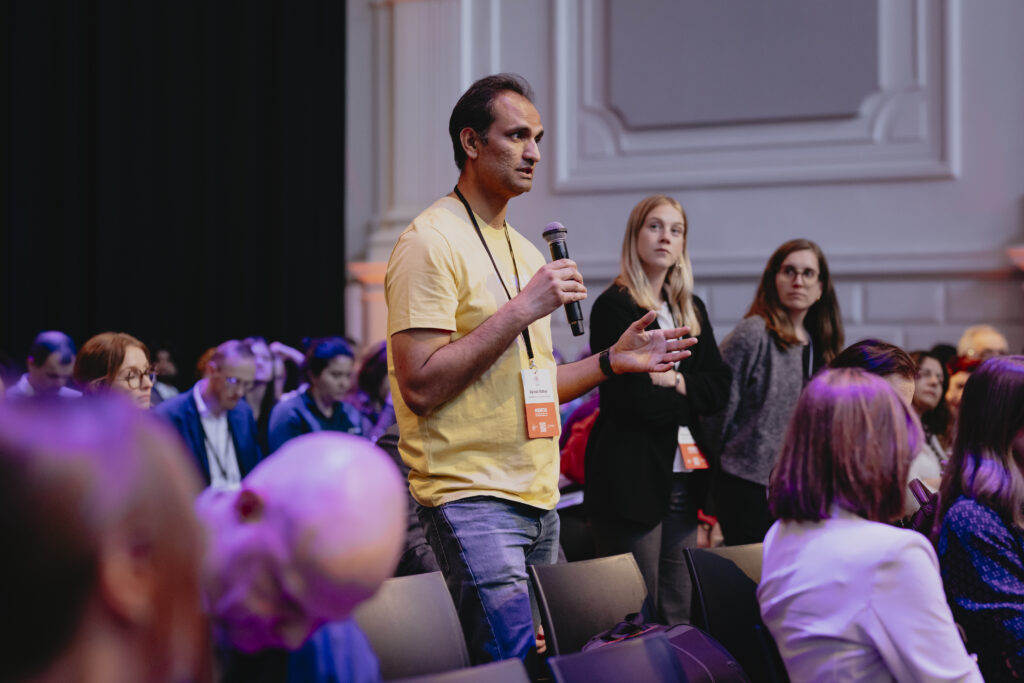
Chaired by Rick Thompson (Beacon for Rare Diseases), the panel brought together representatives from patient organisations including OIFE, the Malaysian Rare Disorders Society, Hypersomnolence UK and the Citrin Foundation. Discussions highlighted that developing or repurposing a treatment is only one step in a longer journey, and that ensuring equitable access, awareness and appropriate use remain a critical challenge across different health systems worldwide.

Policy developments shaping the future
The closing sessions turned to the evolving European policy landscape and its implications for drug repurposing.
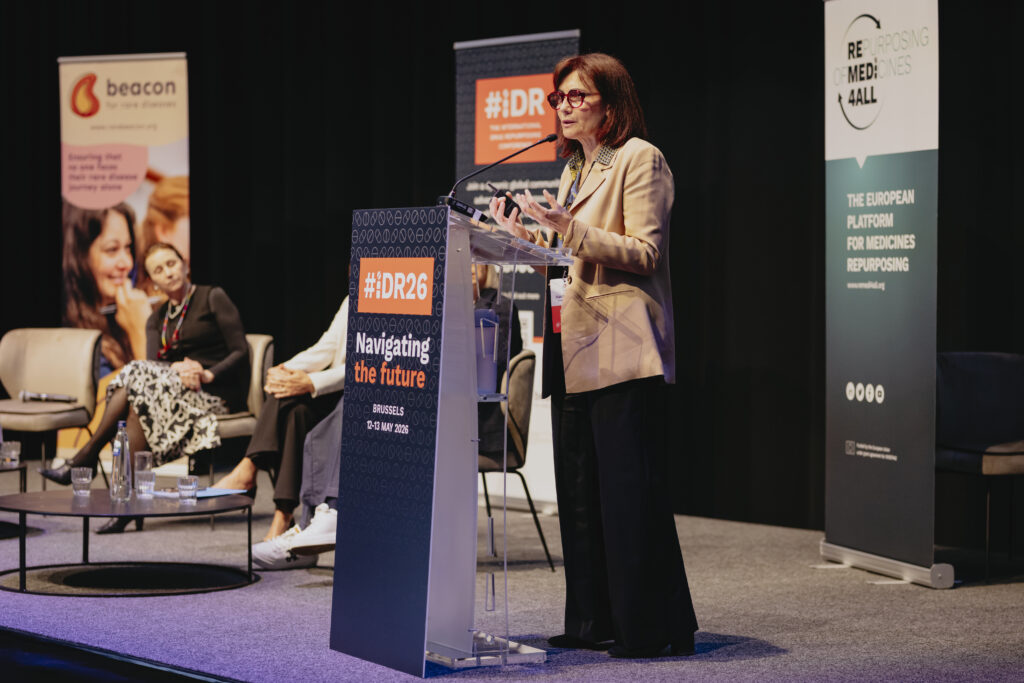
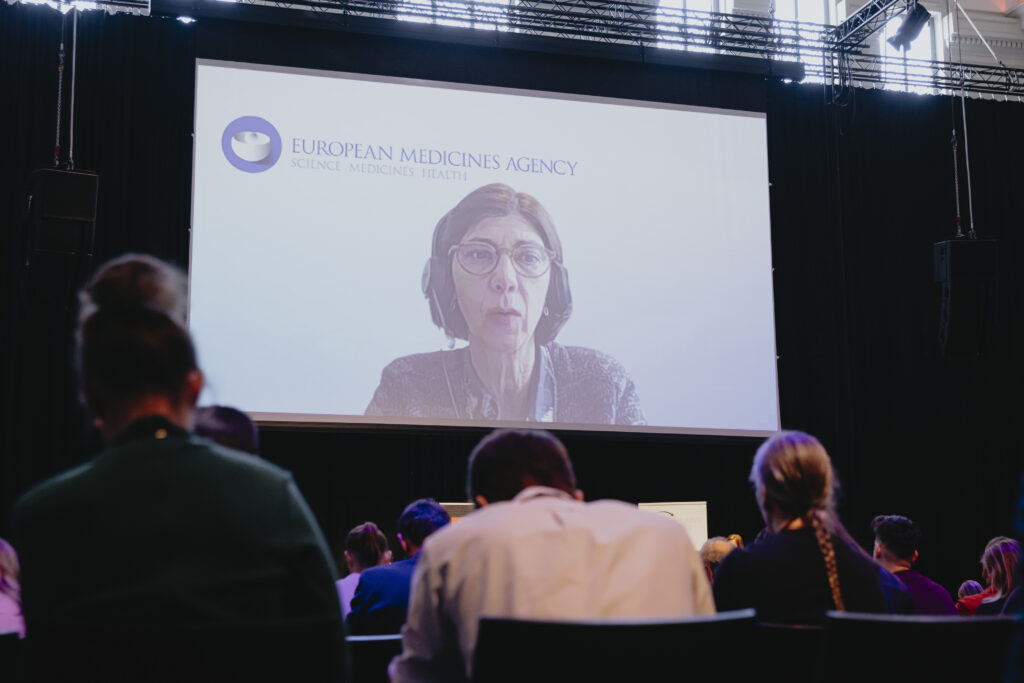
Speakers from European Commission Directorate-General for Health & Food Safety, the European Medicines Agency and national authorities discussed elements of the forthcoming pharmaceutical legislation, including proposed incentives for repurposing and mechanisms enabling non-profit entities to submit evidence for new indications. These discussions also built on REMEDi4ALL’s ongoing policy work to identify key barriers to drug repurposing and explore mechanisms to better align regulatory, funding and market access pathways.
Olga Solomon (European Commission) highlighted the potential of these reforms to better address unmet medical needs, particularly in rare diseases, while acknowledging that implementation will be critical. Across the panel, there was broad agreement that earlier engagement with regulators, improved information sharing and continued collaboration across stakeholders will be essential to translate these developments into practice.
Looking ahead
Across the programme, iDR26 reflected both the progress made and the complexity of advancing drug repurposing.
From scientific innovation to funding coordination, policy reform and community-led initiatives, the conference reinforced that no single actor can drive change alone. Delivering impact will depend on connecting efforts across the pathway: aligning incentives, sharing knowledge and maintaining a clear focus on patient benefit.
As discussions in Brussels made clear, the tools, expertise and commitment are increasingly in place. The challenge now lies in ensuring they are effectively brought together to support the next phase of drug repurposing.
To learn more about REMEDi4ALL and its work in building a sustainable, patient-centred drug repurposing platform, including funding coordination, regulatory guidance and community-building activities, visit REMEDi4ALL and the iDR conference hub.