08:00till 09:00 | 08:00till 09:00| Foyer | Registration and Welcome Coffee |
|
09:00till 10:50 | 09:00till 10:50| Main Hall | Plenary One – Innovative changes to drive patient impactChange is essential to accelerate repurposing success and deliver more medicines to patients. Here, we highlight the need for change, and the impact that innovative thinking from patient groups, funders, and regulators is already having in the drug repurposing space.
See all session talksWelcome |
Don is the Director for Medicines Development at EATRIS and Scientific Lead of the REMEDi4ALL European Platform for Medicines Repurposing. Don previously headed therapeutic development at the National Center for Advancing Translational Sciences at the US National Institutes of Health following a 30-year career in academia, biotech, non-disease research foundations and patient care organisations.
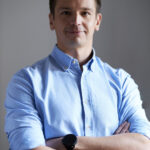
Anton Ussi has been the EATRIS Operations & Finance Director since 2015. Joining EATRIS in 2010, he was co-responsible for the operational design and statutory incorporation of the infrastructure. With a background in mechanical engineering in the automotive industry, small business administration, and later in technology transfer focused on molecular imaging, Ussi specialises in public private collaboration and deployment of infrastructure for translational research in medicine.
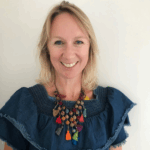
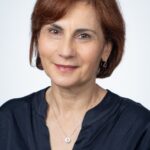
Mary Rose (MayRo) Roberts is the Chief Operating Officer at Beacon: for rare diseases, a UK-based charity building a united rare disease community with patient groups at its heart.
At Beacon, MayRo plays a central leadership role in shaping the organisation’s strategy, operations, and programme delivery. Since joining the charity in 2016 as its first Events Officer, she has led the growth and development of Beacon’s major activities, including patient group training programmes, the Rare Disease Showcase series, and drug repurposing conferences. She now manages a team of six in delivering Beacon’s core projects, oversees key internal operations, and ensures the smooth day-to-day running of the organisation.
Before beginning her career in the small charity sector, MayRo graduated from Keele University with a First Class Honours degree in Politics.
| Repurposing and reformulation to treat vascular anomalies? |
Miikka Vikkula, MD, PhD, is an internationally recognised leader in human and medical genetics, with more than 30 years of research at the intersection of molecular genetics, vascular biology, and rare diseases. He trained in molecular genetics at the University of Helsinki (MD–PhD), completed postdoctoral research at Harvard Medical School, and later earned a second PhD at UCLouvain. In 1997, he founded his independent research group at the de Duve Institute in Brussels, where he has been a Full Member since 2004 and Full Professor of Human Genetics at UCLouvain since 2013.
Professor Vikkula is a pioneer in uncovering the genetic and molecular bases of vascular and lymphatic anomalies. His discoveries identified causes of numerous inherited and sporadic vascular disorders, defined key disease entities, and clarified central pathogenic pathways, including PI3K–AKT–mTOR and RAS–MAPK signaling. A defining feature of his work is its clinical translation: his team developed disease models and contributed to multiple clinical trials, including the phase III VASE trial of sirolimus and precision-medicine studies for arteriovenous malformations.
He has authored over 250 research articles, cited more than 31,000 times (H-index 88), and received major international awards. He is a member of the Royal Academy of Medicine of Belgium and a Commander of the Order of Leopold.
|
|
|
10:50till 11:20 | 10:50till 11:20| Foyer | Morning Coffee Break |
|
11:20till 12:30 | 11:20till 12:30| Main Hall | Plenary Two – Creating repurposing ecosystemsWhile isolated repurposing projects can drive small scale success, synergies are vital to exchange knowledge, scale impact, and generate systemic change. Here, we explore different repurposing ecosystems, both nationaland condition-focussed, and their key drivers for success.
See all session talks |
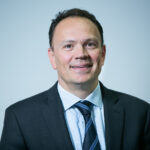
Dr Cesar Hernández García is Director General of Common Portfolio of the NHS and Pharmacy at the Spanish Ministry of Health since 2022. Formerly, he was Head of Department of Medicines for Human Use at the Spanish Agency for Medicines and Medical Devices from 2009 to 2022. A rheumatologist by training, he worked at the Hospital Clínico San Carlos (Madrid) from 1989 to 2009.
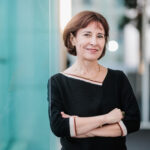
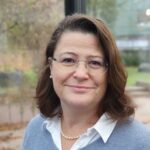
Dr. Yoana Nuevo-Ordóñez, who holds a PhD in Analytical Chemistry, is Head of the Innovation Office and the National Scientific Advice Unit at the Spanish Agency of Medicines and Medical Devices (AEMPS). She represents Spain in the European Innovation Network (EU-IN), which brings together the Innovation Offices of National Competent Authorities and EMA’s Innovation Task Force. Within this network, she has led and co-led major European initiatives, including the STARS project funded by the European Commission, and several Horizon Scanning reports on emerging technologies such as genome editing, faecal microbiota transplantation, and nanomedicines. She also co-leads the Simultaneous National Scientific Advice (SNSA) Pilot with the Paul Ehrlich Institute (PEI) and Belgium’s FAMHP.
In the field of drug repurposing, Dr. Nuevo-Ordóñez co-led the European Repurposing Project Pilot in collaboration with EMA, recently completed, and serves as a member of the REPO4EU expert board while collaborating in REMEDi4ALL. More broadly, she drives the strategic theme “Regulatory Science, Innovation and Competitiveness” within the European Medicines Agencies Network Strategy (EMANS) 2028, promoting regulatory innovation and competitiveness across Europe.
Julián Isla is a software engineer by training and works as a Resource Manager for the Artificial Intelligence group at Microsoft. He has 29 years of experience working for international IT companies, helping customers with digital transformation and leveraging the capacity of artificial intelligence to move organizations into automation. He is also the co-founder of Foundation 29, a non-profit organization focused on how artificial intelligence can empower people to make decisions about their own health, based on the evidence provided by data and supported by decision support systems. Julián is the father of Sergio, a sixteen-year-old boy who has Dravet Syndrome. He founded the Dravet Syndrome Foundation in Spain and the European Dravet Syndrome Federation, where he holds the position of Regulatory Advisor. Despite not having a neuroscience or medical background, he gained the skills to be a member of the Orphan Drug Committee at the European Medicines Agency (EMA) as a patient representative. Julián is also part of the Therapeutic Advisory Group for Eurordis, the largest organisation of rare diseases in Europe. In Spain, he is a member of Ciberer (the Spanish Network for research on rare diseases) scientific advisory group, a member of the advisory board of several hospital research institutions, and a member of the board of five foundations working on healthcare. Julián holds a great combination of skills, combining technology, medicine, science, clinical processes, patient engagement, and regulation.
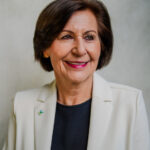
Dr. Marta Puyol serves as the Scientific Director of the Spanish Association Against Cancer (AECC) and Deputy General Director of the AECC Scientific Foundation, where she shapes and drives the organisation’s national research strategy. She leads the design and execution of programs that fund high-impact cancer research, strengthen Spain’s scientific talent, and elevate the international visibility of Spanish researchers.
She has spearheaded major strategic initiatives, including the creation of World Cancer Research Day, influential national reports on the state of cancer research, international collaborations to increase Spain’s presence in European research networks, and the establishment of AECC’s patient advocacy program, integrating patient perspectives into research and policy. Her work centers on building a more competitive, collaborative, and patient-driven cancer research ecosystem.
|
|
|
12:30till 14:00 | 12:30till 14:00 |
14:00till 15:30 | 14:00till 15:30| Maritime Room | RARE I - When is repurposing right for rare diseases?Repurposing is not right for every rare disease. This session will explore why and when repurposing is chosen relative to other therapeutic approaches, circumstances that make it a viable strategy, and how decisions are made in practice. Speakers will set the scene for how repurposing fits into the broader rare disease landscape, highlighting key considerations for deciding which diseases and patient groups are most suited.
See all session talks |
Shirlene Badger is passionate about the role of genomics in improving health and leads Global Patient Advocacy at Illumina Inc. In this role she leads the Patient Advocacy strategy and engagement across the fields of rare and undiagnosed genetic disease, reproductive health, newborn screening, infectious disease and oncology. Trained as a medical sociologist at the University of Cambridge, her PhD was one of the first to explore the experiences of children and families participating in genetic research to find a cause for their symptoms. She then spent over fifteen years leading academic research initiatives at the University of Cambridge, UK and elsewhere that sought to elevate the impact of patient voice in the development and implementation of novel and experimental medical and omic technologies.
| |
Dan’s eldest daughter Amelie was diagnosed with Tay-Sachs in 2011 at 15 months of age and, upon finding that there was no dedicated advocacy group providing support for families affected by this disease in the UK, he set set-up the Cure & Action for Tay-Sachs (CATS) Foundation with his wife Patricia. Since the group was launched, they have been able to grow The CATS Foundation so that it now offers a variety of services to its family members and has been actively involved in the research investigating therapeutic treatments for Tay-Sachs and Sandhoff disease. Dan is fully committed to leading the charity towards its goal of finding a treatment so that there is hope for those families affected by Tay-Sachs and Sandhoff in the future.
| |
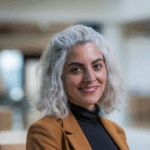
Dr Nafeesa Mat Ali is a Clinical Researcher at City St George’s, University of London, working at the intersection of clinical trials, diagnostics, and global health. Trained as a medical doctor in Malaysia, she transitioned into research to advance equitable access to affordable treatments and early diagnosis, particularly for underserved populations.
She is a part of the International Affordable Diagnostics and Therapeutics Alliance (IA-DATA) and collaborates closely with the Universiti Malaya Affordable Diagnostics and Therapeutics (UMADT) team to develop scalable, cost-effective healthcare solutions. Her current work centres on drug repurposing and innovative diagnostics for neglected cancers and rare diseases, including managing international multi-site studies such as the NeoART cancer drug repurposing programme in Malaysia.
Nafeesa also champions health literacy and community engagement for breast and cervical cancer, co-designing cancer awareness initiatives with ethnic minority women community champions in the UK and indigenous women community champions in Sarawak, Malaysia to make health research more inclusive and impactful.
| |
Prof. Surrallés is currently the Scientific Director of Sant Pau Hospital Biomedical Research Institute, with over >1300 researchers and 72 research teams. He is also Director of the Joint Research Unit in Genomic Medicine UAB-Sant Pau, and Coordinating Director of the Master of Medical Genetics at the UAB, a join collaboration between Sant Pau and Vall Hebron UAB Hospitals.
With a PhD in Genetics and postdoctoral experience in The Netherlands (Leiden University Medical Center) and Finland (Finnish Institute of Occupational Health), he originally set up his research team at the UAB where he is currently Full Professor of Genetics. He was member of the University Research Commission and Director of the UAB Department of Genetics and Microbiology. In January 2017, he was appointed Director of the Genetics Department at Sant Pau Hospital, Barcelona. He is Director of the Biobank of DNA Repair Syndromes and team leader at the Centre for Biomedical Network Research on Rare Diseases (CIBERER), where he acted as member of its Direction Board for 10 years (2007-2016).
He is specialist in the field of cancer predisposition syndromes due to mutations in DNA repair genes, where he has contributed with the discovery of novel causative genes in breast and colon cancer, Fanconi anemia, Bloom syndrome and others. Regarding therapeutic research, he holds two orphan drug designations by EMA, participates in academic clinical research including gene therapy clinical trials, and coordinates a trial on the prognostic value of genetic factors in Fanconi anemia and the first ever clinical trial on Fanconi anemia head and neck cancer.
Thanks to his extensive research activity, he holds the ICREA-Academia award with four consecutive renewals (2008, 2013, 2018 and 2023). Dr. Surrallés has supervised over 60 research grants as Principal Investigator awarded from public and private institutions worldwide including Catalan, Spanish, European, American and Australian institutions, adding up to >9M euros of competitive funding in the last 15 years.
Prof. Surrallés is inventor of 5 patents, leads a number of contracts with private foundations and biotech-pharma companies including Moderna, Rocket, Roche, Boehringer Ingelheim, Genzyme, Merck and others. He has given tens of invited lectures in international meetings world-wide and published >150 publications including articles in Nature, Lancet, Nature Communications, Nature Medicine, Cell Stem Cells, Blood, Gastroenterology, Am J Hum Genet, Genes and Dev and PNAS (12.000 citations, H factor of 55). He had supervised 20 PhD students and tens of Master Degree Students.
He is reviewer of tens of scientific journals including Science, Nature, Molecular Cell Biology or Blood and Referee of multiple national and international funding agencies including European Research Council (EU), Agence Nationale de la Recherche-ANR (France), Agència de Gestió dAjuts Universitarisi de Recerca (AGAUR), ANEP (Ministerio de Ciencia y Tecnología), Cancer Research UK (UK), Commission of the European Union, Selection Board Subcommittee on Genetic Diseases and Cancer of the ISCIII (Spanish Ministry of Science and Innovation), Dutch Cancer Society (The Netherlands), Fanconi Cancer Fundation (USA), German-Israeli Fundation for Scientic Research and Development (Germany), INSERM (France), and the French National Cancer Institute (France).
|
| | Main Hall | DISCOVERY I - Artificial Intelligence in drug repurposingWith a wealth of new AI companies and platforms appearing every year, the potential of AI to uncover new therapeutic opportunities has never been greater. But what is the best approach to deploy this technology and ensure that this vast computational power can be directed to meet some of the most pressing unmet medical needs worldwide? This session will explore different approaches to AI in the repurposing space and assess their potential for patient impact.
|
|
15:30till 16:00 | 15:30till 16:00| Foyer | Afternoon Coffee Break |
|
16:00till 17:30 | 16:00till 17:30| Maritime Room | RARE II - New approaches to drive repurposing research in rare diseasesNovel strategies are needed to accelerate repurposing research in rare diseases. This session will showcase emerging approaches from industry, regulatory, clinical, and patient groups to drive forward repurposing research. Our speakers will explore how collaboration and innovation can make repurposing more effective and patient-relevant, and ensure repurposing research can break through translational barriers and deliver patient access.
See all session talks |
Guillaume is an MD, PhD and Professor of Medicine at Hôpital Necker–Enfants Malades, Université Paris Cité (Paris, France). Trained in nephrology and kidney transplantation, he also completed a PhD in molecular and cellular biology and a postdoctoral fellowship at Harvard Medical School. He became Full Professor in 2019. His early research on PI3K/AKT/mTOR signalling in kidney disease, supported by multiple European Research Council grants (Starting, Proof-of-Concept, and Consolidator), laid the groundwork for his later breakthroughs in rare diseases.
In 2018, he made a paradigm-shifting discovery in PIK3CA-related overgrowth spectrum (PROS), a group of severe vascular disorders caused by somatic activating PIK3CA mutations. These conditions lead to disfiguring overgrowth, complex vascular malformations, chronic pain, thrombosis, bleeding, and reduced life expectancy, with previously only symptomatic treatment options. Guillaume and his team identified alpelisib (BYL719), a PI3Kα inhibitor developed for oncology, as a targeted therapy. They generated the first faithful mouse model of PROS, demonstrated reversal of disease manifestations, and conducted a proof-of-concept study in 19 patients showing significant clinical improvement. Published in Nature (2018), this work led to the international EPIK-P1 trial and to U.S. FDA approval of alpelisib in 2022—the first approved therapy for PROS.
He has since extended this precision-medicine approach to other vascular anomalies, including KRAS-mutant arteriovenous malformations treated with sotorasib. Recognized internationally, he has received major scientific awards, secured over €28 million in funding, and delivered more than 150 invited lectures worldwide.
| |
Barbara Yu is Co-founder and President of the Citrin Foundation, a research-driven, patient-centered nonprofit dedicated to finding a cure for citrin deficiency, a rare inherited metabolic and urea cycle disorder, and advancing innovation in the rare disease field. She established the Foundation in 2016 with her husband, Yen How Tai, driven by a family’s experience with this condition and a conviction that meaningful progress in rare diseases requires long-term commitment, cross-sector collaboration, and scientific excellence.
Drawing on a background that bridges science-driven philanthropy, patient advocacy, and finance, Barbara brings a holistic perspective to the rare disease field, addressing both the scientific challenges of therapy development and the systemic barriers that often slow research, diagnosis, and patient access to treatment. She advocates for an ecosystem approach to patient-driven research and philanthropy-led science as a way to accelerate therapeutic innovation in underserved disease areas.
Under her leadership, the Citrin Foundation has built a global research and clinical ecosystem to advance the understanding, diagnosis, and treatment of citrin deficiency. The Foundation supports and leads initiatives spanning basic science, translational research, therapeutic development, clinical studies, patient support, and community engagement, working closely with academic institutions, clinicians, researchers, biotechnology partners, and patient communities worldwide. A key strategic milestone for the Foundation is the establishment of the UCD Translational Research Center Universität Zürich – Citrin Foundation, launched in 2025 to accelerate translational research in urea cycle disorders.
In 2024, Barbara convened and hosted a multi-stakeholder strategy roundtable at the Annual Symposium of the Society for the Study of Inborn Errors of Metabolism (SSIEM), bringing together regulators, researchers, clinicians, and patient advocates to discuss the essential components required to successfully develop therapies for rare diseases.
In parallel with her philanthropic work, Barbara is Co-founder and Co-CEO of YH2 Capital, a long-term investment firm managing proprietary capital with a fundamental investment approach. Earlier in her career, she was Partner and Head of Asia at Eton Park Capital Management and previously led the Principal Strategies Group in Asia at Goldman Sachs, overseeing the investment business at both firms. She began her career in mergers, acquisitions, and restructurings at Morgan Stanley in New York and Hong Kong.
Barbara graduated from Magdalene College, Cambridge University, with a BA in Law, double first-class honors. Barbara was awarded the N. Diaz Scholarship for Law and Norton Rose Prize for Commercial Law. She was also a Jardine Scholar which provided a full scholarship for her undergraduate study.
|
| | Main Hall | DISCOVERY II - Building a discovery pipeline – combining methodologies to find the best repurposing routesWhile AI has huge potential, it relies on processing good data, based on a diverse range of scientific methods. Furthermore, hypotheses must be tested and validated to ensure that only ideas with a real chance of patient impact move towards the clinic. This session will explore how lab-based science is driving forward repurposing opportunities.
See all session talks |
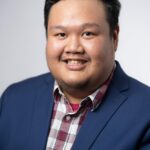
Dr. Roman Fudim trained in physics, biophysics, and structural biology at Humboldt Universität zu Berlin and Stockholm University, focusing on GPCRs and SLCs.
His work spans molecular design through to translational strategy. He contributed to the preclinical development of non-conventional antibody formats within TCE and ADC programs at Morphosys and lead the portfolio strategy at a de novo antibody design startup conceptualising the internal pipeline from target identification to in vivo models.
At biotx.ai, he leads the efforts on translational science and strategic partnerships, supporting programs by utilising human genetics to identify new targets and repurposing opportunities.
|
|
|
17:30till 19:00 | 17:30till 19:00| Orangerie | Poster Session and Networking |
|
 Drug Repurposing for Rare Diseases
 Discovery for Repurposing
 Drug Repurposing for Industry
 Repurposing Community