08:00till 09:00 | 08:00till 09:00| Foyer | Registration and Welcome Coffee |
|
09:00till 10:30 | 09:00till 10:30| Maritime Room | COMMUNITY I - The community in actionHere we explore the example of the national repurposing network being developed in the Netherlands, before highlighting the work of REMEDi4ALL’s own ecosystem through our delegate-proposed lightning talk session.
See all session talksPanel Session - The Dutch repurposing landscape: collaborations, support, and how to create a national repurposing network |
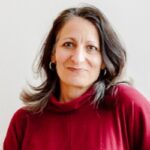
Dunja joined ZonMw in 2020 and leads the national Drug Repurposing Programme. She oversees programme operations and drives its strategic development with the Dutch Ministry of Health and other key stakeholders. Her focus is on strengthening the programme’s impact through cross‑sector collaboration, improved knowledge exchange and evidence‑based pathways that accelerate translation into clinical and societal benefit. She also contributes to the European REMEDi4ALL initiative, helping to build a coordinated ecosystem for drug repurposing and advance innovative funding approaches.
Before joining ZonMw, Dunja built a solid 20‑year track record in a wide range of R&D roles within the pharmaceutical and CRO sectors. She contributed to clinical trial start‑up, steered complex multinational projects, and held several leadership positions across the Nordic and Benelux regions.
As work package leader in the EU-funded project REMEDi4ALL Heleen is leading a global funders network and ‘think tank’ for repurposing. This aims to discuss policy issues, share best funding practices, co-ordinate (new) funding streams, promote joint calls and develop innovative co-funding models for drug repurposing, ultimately enhancing the repurposing ecosystem for researchers across Europe. Heleen is a pharmacist by training and holds a PhD in drug utilisation research in older people. She has worked as a pharmacotherapy advisor at the Dutch HTA organisation for a couple of years before she joined ZonMw in 2022. ZonMw programmes and funds research and innovation in health, healthcare and well-being, encourages the use of this knowledge and highlights knowledge needs.
Sibren van den Berg is the director of RARE-NL, a national platform that aims to accelerate the development and accessibility of therapies for rare diseases and through drug repurposing. His work focuses on strengthening the Dutch drug repurposing landscape by connecting academic, clinical, and regulatory stakeholders and actively advancing concrete repurposing cases. In addition, his PhD research at Amsterdam UMC focuses on the availability of drugs for rare diseases, with a particular emphasis on drug repurposing.
Saco de Visser is the scientific director of FAST (Centre for Future Affordable and Sustainable Therapy development). He is a pharmacochemist (VU Amsterdam), registered clinical pharmacologist and holds a PhD on A Question Based Approach to Drug Development (medicine, Leiden University). He has 12 years of experience in managing, financing and conducting international clinical drug research at the Centre for Human Drug Research, ZonMw and Nycomed (now Takeda). He is the initiator of the ZonMw funding programme for rational pharmacotherapy, which he further developed together with Benien Vingerhoed. From 2014 onwards, he combined his position at ZonMw with positions as Director of Cluster Development at Leiden Bio Science Park, Head of Education at Paul Janssen Futurelab Leiden (LUMC) and advisor at Platform Medicine and Society (AmsterdamUMC). He was the initiator and currently scientific director of FAST. Saco is a member of various national and international committees and working groups that advise government, public and/or private parties, on drug development and/or financing.
Remco Molenaar is an internist and hematologist at the Amsterdam University Medical Center and University of Amsterdam. He is involved in the academia-driven resynthesis and repurposing of the antidiabetic biguanide phenformin for oncological indications, including pancreatic cancer. Together with his collaborators, both in academia and at the spin-off company Pepper Therapeutics BV, it is his aim to trial phenformin in cancer patients to ultimately bring it to market at a fair and cost-based price.
| Lightning Talk: 3 Ways to Maximize Impact with Limited Resources | | Lightning Talk: Systematic Drug Repurposing Identifies Translational Candidates for Multiple Sulfatase Deficiency |
Alisa DeGrave is a postdoctoral researcher at the Fraunhofer Institute for Translational Medicine and Pharmacology (ITMP-TNM) in Göttingen, working under the mentorship of Prof. Dr. med. Lars Schlotawa. Her research focuses on the molecular mechanisms underlying multiple sulfatase deficiency (MSD) and how repurposed small molecules modulate cellular pathways involved in its pathophysiology. By studying these effects in cell models, she aims to understand how these small molecules rescue the disease phenotype and to identify therapeutically relevant candidates.
| Lightning Talk: An iDR25 Success Story! A Global Registry project for the world-wide EB community |
Martin trained as an Engineer and gained his degrees from Oxford Brookes University in 1983 and 1993 respectively. After five years as an Engineering Officer in the British Army, he has held various positions within the ICT sector working for Dell Computers, British Telecom, Novell, Panasonic and Capita Professional Services. He has worked at Dendrite Clinical Systems for 15 years liaising with MedTech companies, as well as national and international medical societies and rare disease organisations, helping them to design and develop bespoke clinical registries to collect data for analyses aimed at improving their outcomes.
| Lightning Talk: Patient-led drug repurposing in PACS2 syndrome: combining cell imaging with proteomics |
Dominik Cysewski, PhD, is Scientific Director of the PACS2 Research Foundation and an academic researcher at the Medical University of Bialystok, where he leads the Laboratory of Molecular Medicine and Rare Diseases. He leads translational molecular research in PACS2 syndrome, combining patient-derived and animal models, multi-omic profiling, and phenotypic screening to define disease mechanisms and prioritise therapeutic directions. Within the PACS2 programme, he helps coordinate research strategy across patient families, clinicians, academic groups, CRO partners, and international collaborators, including communication between teams and the development of joint grant-funded projects. His current work spans patient-derived cellular models and a genetic PACS2 mouse model, with a focus on turning molecular data into tractable next experiments. More broadly, he is interested in how patient organisations can act not only as advocates or data providers, but as active scientific partners in rare disease research.
| Lightning Talk: Developing the First-Ever Dedicated Therapy for Cri du Chat / 5p minus Syndrome |
Yannick bridges a strong interdisciplinary background in pharmaceuticals and business. With interest spanning from business operations, commercial strategies, partnerships, and innovation in the life sciences sector, he focuses on building collaborations that assist the development of precision medicine. He combines scientific understanding with commercial insight to translate precision medicine capabilities into impactful partnerships across biotech and pharma.
| Lightning Talk: Repurposing shrouded as new drug developments |
Ayna Baladi Nejad is a drug developer with almost a decade of experience as a Clinical Pharmacologist in the pharmaceutical industry, currently biotech. Previously, she served as function leader on Global Project Teams at Novo Nordisk, driving the global programs for priority assets. She has extensive knowledge of regulatory requirements and commercial considerations from preclinical to post-market phases of drug development, and the decision-making to expand to other indications. Prior to her roles in the biopharma industry, she held academic positions in Denmark, US, and France. She holds a PhD in Health and Medical Sciences from the University of Copenhagen. As an ultra-rare disease parent, she independently advocates for access to off-label treatments that are supported by mechanistic evidence and privately sponsors n-of-1 research with collaborators in Germany and UK.
|
| | Main Hall | INDUSTRY I - Building a repurposing business model to attract investmentFinding an effective business model for a repurposed asset is a persistently cited barrier – but what options are available to a company in this space, and what can be done to increase the appeal of commercial repurposing?
See all session talksPanel session |
Dr Dariusz Adamczewski is an experienced architect of health reforms in Europe, blending clinical insight with policy acumen over a career spanning two decades. He has held senior roles at Poland’s Ministry of Health and a pharmaceutical giants Johnson & Johnson and Pfizer, shaping oncology and cardiology strategies while putting rare diseases on the European Union agenda. Now managing director of the Children’s Tumor Foundation Europe, he leads innovation in rare conditions such as neurofibromatosis and champions patient-centred research, clinical development and advocacy across Europe. In Brussels and beyond, he remains a prominent voice in European health policy circles, staunchly focused on the needs of patients.
|
|
|
10:30till 11:00 | 10:30till 11:00| Foyer | Morning Coffee Break |
|
11:00till 12:30 | 11:00till 12:30| Maritime Room | COMMUNITY II - Improving skills and creating collaborationsPartnerships which bring together diverse skills and perspectives are vital to deliver a repurposed drug from concept to market. In this session we will highlight public private-partnerships as a model in the repurposing ecosystem, before exploring the opportunities, successes and challenges of upskilling people to deliver more successful repurposing studies.
See all session talks |
Nathalie, PharmD, is a senior scientific project manager at the Innovative Health Initiative (IHI) within the Scientific Operations team, with responsibilities ranging from coordination of activities within the team, support to public-private consortia, to engagement with stakeholders with particular focus on regulatory bodies. Nathalie joined in 2012 the Innovative Medicines Initiative (now IHI), after having worked at the European Medicines Agency (EMA) over 15 years as a scientific administrator with various responsibilities related to the development and approval of medicinal products.
| Panel Discussion: Growing the size and skill base of the repurposing community |
Dr Felix Chan is an Assistant Professor in Pharmacology at University of Birmingham. Dr. Chan leads a research group, Chan Lab (www.chanlab.co.uk) which focuses on brain metabolism and mitochondrial function in rare neurological conditions. Dr. Chan is recognized as a world-leader in rare epilepsy syndromes like tuberous sclerosis complex (TSC) and mitochondrial disease. Dr. Chan’s research work is translational, spanning molecular and cellular discovery to therapeutic development, clinical testing, and patient outcome measurements. Dr. Chan is an avid believer in drug repurposing and its potential to achieve rapid impact for clinical and patient benefit. Dr. Chan also teaches actively in the M.Pharm course program at University of Birmingham and other postgraduate course programs like M.Res in Neurogenetics and M.Sc in Biomedical Sciences. Dr. Chan is a passionate mentor of early career researchers and support trainees from diverse background. Dr. Chan also serves as trustee for HOPE for Epilepsy and scientific advisory board member for UKRET, CureDHDDS, and CRELD1 Warriors.
Heather Stone is a Health Science Policy Analyst at the U.S. Food and Drug Administration, in the Clinical Methodologies Group of the Office of Medical Policy, Center for Drug Evaluation and Research. Ms. Stone joined the FDA upon completing her Master’s in Public Health (Concentration: Epidemiology) from the University of Maryland School of Public Health in 2012. Ms. Stone’s research focus is on the creation of policies that will encourage drug development for infectious diseases and address the rising challenge of antimicrobial resistance. She applies her policy expertise to issues related to drug repurposing, clinical trial design, and antimicrobial drug development.
Dunja joined ZonMw in 2020 and leads the national Drug Repurposing Programme. She oversees programme operations and drives its strategic development with the Dutch Ministry of Health and other key stakeholders. Her focus is on strengthening the programme’s impact through cross‑sector collaboration, improved knowledge exchange and evidence‑based pathways that accelerate translation into clinical and societal benefit. She also contributes to the European REMEDi4ALL initiative, helping to build a coordinated ecosystem for drug repurposing and advance innovative funding approaches.
Before joining ZonMw, Dunja built a solid 20‑year track record in a wide range of R&D roles within the pharmaceutical and CRO sectors. She contributed to clinical trial start‑up, steered complex multinational projects, and held several leadership positions across the Nordic and Benelux regions.
Dr Rick Thompson joined Beacon (formerly known as Findacure) as the organisation’s third team member and its first-ever Scientific Officer, with a focus on developing the charity’s work in drug repurposing.
He became CEO in 2017 and has since played a key role in guiding Beacon’s strategy and supporting the delivery of its projects across the rare disease space.
Rick holds a PhD in evolutionary biology and previously studied moles at the University of Cambridge’s Museum of Zoology. He regularly contributes to the European rare disease community through talks, training, and written work, and is continually inspired by the dedication and insight of the patient group leaders that Beacon supports.
|
| | Main Hall | INDUSTRY II - Bringing repurposed drugs to marketDespite the perception, there are many successful cases of repurposing in the commercial space. Here we will examine both success stories and initiatives designed to make repurposing more attractive and effective for the pharmaceutical industry.
See all session talks |
Dr. Ivo van der Bijl is a pharmacist and cell biologist, holding a PhD from Sanquin Research. He joined Tiofarma B.V. in 2019, starting in regulatory affairs before moving into project management, where he combines scientific expertise with strategic coordination. He has contributed to a range of repurposing projects, including the LoDoCo2 project—a collaborative effort involving multiple companies and cardiologists to study colchicine therapy in patients with chronic coronary disease, and which ultimately led to the submission and approval of the registration dossier.
| |
Thomas Grub is a Senior Expert, Director Global Pricing & Market Access at Medac in Wedel, Germany. He managed a number of international market access projects with a focus on value added medicines, generics and innovative medicines in the EU, US, Japan and additional geographies.
Thomas represents Medac Group in several working groups within Medicines for Europe and EUCOPE and contributes to the WHO Europe Novel Medicines platform.
Before taking on this current role, he established Medac’s global Market Access & Health Economics function, which has been evaluating international development and in-licensing opportunities with regard to pricing, reimbursement, reference pricing, and parallel trade dynamics. Earlier, he led international medical and scientific marketing, managed product teams and portfolios, and worked across therapeutic areas including rheumatology, psoriasis, oncology, neurosurgery, and urology.
Thomas began his career in sales and product management across multiple pharmaceutical companies, where he successfully launched products, drove strong market share growth, and positioned brands in competitive environments.
Don is the Director for Medicines Development at EATRIS and Scientific Lead of the REMEDi4ALL European Platform for Medicines Repurposing. Don previously headed therapeutic development at the National Center for Advancing Translational Sciences at the US National Institutes of Health following a 30-year career in academia, biotech, non-disease research foundations and patient care organisations.
| |
Paul Martin is Professor of the Sociology of Science and Technology at the UK University of Sheffield and is Co-Director of the flagship multidisciplinary research centre – the Institute for the Study of the Human (iHuman). He is currently working on a major five-year project on high priced “orphan” drugs for rare diseases funded by the Wellcome Trust.
Tineke Kleinhout-Vliek (PhD) is a researcher at University College Dublin, specialising in social innovation within the pharmaceutical sector. She has previously conducted research and published on pharmaceutical policy and regulation, access to medicines, patient engagement and activism, among other subjects. She holds a PhD in Health Care Governance, an MSc in Development Sociology, and an MSc in Biomedical Research.
Dr Kleinhout-Vliek is a co-founder of the Global Pharmaceuticals & Society Studies Network, which organises webinars and workshops to promote networking and engaging discussions among professionals and social scientists from around the globe. She is also a co-editor of the forthcoming Handbook for the Social Studies of Pharmaceuticals and Biotherapies (Edward Elgar Publishing) and an active member of the Public Pharma for Europe civil society coalition.
|
|
|
12:30till 14:00 | 12:30till 14:00 |
14:00till 15:00 | 14:00till 15:00| Main Hall | Patient Engagement Panel – Having a drug isn't enoughEven when repurposed treatments exist, patients often face barriers that prevent access or meaningful benefit. This panel, led by patient advocates and representatives, will showcase how patient communities are actively addressing these inequalities, highlighting their influence in shaping research priorities, driving access initiatives, and ensuring treatments meet real patient needs. It will demonstrate why patient insight and leadership are essential to turning scientific advances into tangible improvements for rare disease communities.
See all session talks |
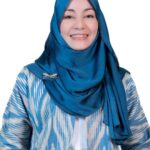
Nadiah Hanim Abdul Latif is a sustainability and corporate affairs leader with over two decades of cross-sector experience spanning corporate, NGO, humanitarian, social enterprise, academic, and ministry-linked advisory roles. She works at the intersection of strategy, advocacy, and public health, applying her expertise to rare diseases, child and disability rights, and inclusion — strengthening institutions and enabling innovation ecosystems that deliver practical impact.
She serves as President of the Malaysian Rare Disorders Society, is a Board Member of Rare Diseases International, serves as the SEA, South Korea, and MENA regional representative for the Phelan McDermid Syndrome Foundation, and Co-Chairs the Global Rare Disease Network Working Group on Care Pathways. Her work has contributed to landmark efforts, from co-establishing Malaysia’s first reporting portal to combat child sexual exploitation and abuse materials, to advancing national action plans on business and human rights, multi-stakeholder policy platforms, and coordinated care dialogue at national and international levels.
Beyond rare disease leadership, she serves as an Adjunct in academia, a Media Anchor, a socialpreneur, an Assistant Child Protector, and a Child Court Advisor for the Petaling District within the justice system.
Across these roles, she builds ecosystems, connecting diverse stakeholders with the aim to advance coordinated solutions in complex environments.
Nadiah believes meaningful progress happens when we listen deeply, work collectively, and act with both courage and kindness.
Alessandra is the vice president of OIFE (Osteogenesis Imperfecta Federation Europe) and a volunteer for As.It.O.I. (the Italian Association for OI) and for Brittle Bone South Africa.
She has a BA Hons degree in Economics and has worked over 20 years in Corporate with an expertise in team leadership and supervision, a strong foundation in project management, stakeholder engagement and strategic planning. In 2016 she established her own company in South Africa which she still runs.
Alessandra was diagnosed with OI as an adult and since then has developed an interest in learning more about it and being involved with her community.
She has attended EURORDIS Open Academy of Medicine Research and Development and The Open Academy of Scientific Innovation and Translational Research, and she is currently attending the Open Academy ERDERA School in the Data, Ethics and AI training.
She is an EUPATI fellow (cohort 7) and EUPATI HTAR Ambassador, for which she did a training that entitles her to be consulted for JCAs and JSCs at EU level.
She is part of the European Regional Task Force on Rare Diseases that is currently working in the development of the European Blueprint for Rare Diseases, which will lay the foundation for a future EU Action Plan and contribute to the Global Action Plan on rare Diseases.
She is part of EURORDIS Mental Health Network promoting this topic within the OI community by organizing workshops and panels.
She is also a PAG member in an undergoing clinical trial (MOI-A) within the REMEDi4ALL network and she is part of the RealiseD project, a European Innovative Health Initiative (IHI) research program aiming to transform clinical trials for rare and ultra-rare diseases by developing comprehensive methodological and operational frameworks that improve how studies are designed, conducted, analyzed, and implemented.
Alessandra is a dedicated patient advocate that works to increase visibility for underrepresented patient communities, not only in Europe, but also in Africa, with a strong emphasis on empathy and proactive engagement to create an inclusive environment that empowers patients.
Matthew Baker is a patient advocate in the UK living with a rare long sleep disorder called Idiopathic Hypersomnia (IH). He advocates for the condition within both the rare disease and sleep communities, as IH is significantly under‑supported and lacks research compared with its better‑known counterpart, narcolepsy.
Idiopathic Hypersomnia commonly presents with excessive daytime sleepiness and sleep drunkenness, severely limiting quality of life, productivity, and safety. While existing therapeutics do not adequately address these symptoms, case reports suggest that an existing medication may target an underlying neurological dysregulation, dramatically reducing sleep drunkenness and restoring natural awakening.
Matthew is part of a project working with the Addenbrooke’s Patient‑Led Research Hub and CamRARE to propose a multi‑centre crossover trial to evaluate the medication’s effectiveness and to explore clinical biomarkers for treatment.
Barbara Yu is Co-founder and President of the Citrin Foundation, a research-driven, patient-centered nonprofit dedicated to finding a cure for citrin deficiency, a rare inherited metabolic and urea cycle disorder, and advancing innovation in the rare disease field. She established the Foundation in 2016 with her husband, Yen How Tai, driven by a family’s experience with this condition and a conviction that meaningful progress in rare diseases requires long-term commitment, cross-sector collaboration, and scientific excellence.
Drawing on a background that bridges science-driven philanthropy, patient advocacy, and finance, Barbara brings a holistic perspective to the rare disease field, addressing both the scientific challenges of therapy development and the systemic barriers that often slow research, diagnosis, and patient access to treatment. She advocates for an ecosystem approach to patient-driven research and philanthropy-led science as a way to accelerate therapeutic innovation in underserved disease areas.
Under her leadership, the Citrin Foundation has built a global research and clinical ecosystem to advance the understanding, diagnosis, and treatment of citrin deficiency. The Foundation supports and leads initiatives spanning basic science, translational research, therapeutic development, clinical studies, patient support, and community engagement, working closely with academic institutions, clinicians, researchers, biotechnology partners, and patient communities worldwide. A key strategic milestone for the Foundation is the establishment of the UCD Translational Research Center Universität Zürich – Citrin Foundation, launched in 2025 to accelerate translational research in urea cycle disorders.
In 2024, Barbara convened and hosted a multi-stakeholder strategy roundtable at the Annual Symposium of the Society for the Study of Inborn Errors of Metabolism (SSIEM), bringing together regulators, researchers, clinicians, and patient advocates to discuss the essential components required to successfully develop therapies for rare diseases.
In parallel with her philanthropic work, Barbara is Co-founder and Co-CEO of YH2 Capital, a long-term investment firm managing proprietary capital with a fundamental investment approach. Earlier in her career, she was Partner and Head of Asia at Eton Park Capital Management and previously led the Principal Strategies Group in Asia at Goldman Sachs, overseeing the investment business at both firms. She began her career in mergers, acquisitions, and restructurings at Morgan Stanley in New York and Hong Kong.
Barbara graduated from Magdalene College, Cambridge University, with a BA in Law, double first-class honors. Barbara was awarded the N. Diaz Scholarship for Law and Norton Rose Prize for Commercial Law. She was also a Jardine Scholar which provided a full scholarship for her undergraduate study.
|
|
|
15:00till 15:30 | 15:00till 15:30| Foyer | Afternoon Coffee Break |
|
15:30till 17:00 | 15:30till 17:00| Main Hall | Closing Plenary – The future of drug repurposingWith legislative changes on the horizon affecting Europe’s approach to repurposing regulation, combined with the growing interest in repurposing science, we can be sure that the repurposing of tomorrow will differ from today. Here we explore the future of repurposing, the projects that bring us hope in the near future, and the challenges that still need to be addressed.
See all session talks |
Don is the Director for Medicines Development at EATRIS and Scientific Lead of the REMEDi4ALL European Platform for Medicines Repurposing. Don previously headed therapeutic development at the National Center for Advancing Translational Sciences at the US National Institutes of Health following a 30-year career in academia, biotech, non-disease research foundations and patient care organisations.
| |
Olga Solomon holds a degree in Chemistry from the University of Thessaloniki and a Master’s degree in Food Science from the University of Gothenburg. Her professional career spans a wide range of expertise across food safety and pharmaceuticals.
After five years with a leading beverage company in Greece, she joined the European Commission in 2001. Over the past two decades, she has worked extensively in the field of food safety—covering areas such as food additives, enzymes, and food contact materials—and, for the last twelve years, in pharmaceuticals.
Since May 2017, she has served as Head of Unit SANTE D.1, “Medicines: policy, authorisation, and monitoring.” In this capacity, she has developed deep knowledge of health policies, risk assessment, risk management, and communication. Throughout her career, she has navigated complex stakeholder landscapes and negotiated proposals with the European Parliament and the Council in both the food and pharmaceutical sectors.
She has fostered strong partnerships with Member States and European Agencies, including the European Food Safety Authority and the European Medicines Agency. Her influence also extends internationally: she has negotiated food standards within the Codex Alimentarius and led EU activities related to bilateral and multilateral relations in the pharmaceutical field.
Solomon has guided her team through major preparedness and crisis management efforts, notably during Brexit and the COVID-19 pandemic, including the accelerated authorisation of vaccines and therapeutics. A significant achievement in her career is her central role in shaping the Pharmaceutical Strategy for Europe and leading its implementation, culminating in the adoption of the comprehensive legislative revision package in April 2023.
Patricia Vandamme is Policy Officer at the Anticancer Fund (ACF). She has worked over 20 years in the pharmaceutical industry, both in local (BE) and global roles, before joining ACF in 2022. As a pharmacist she is fully committed to the health and wellbeing of patients. She plays an important role in connecting with peer organizations, clinical investigators, drug developers and policymakers to make sure drug repurposing makes a leap forward in oncology, as cancer patients urgently need more costly-effective treatments options.
Lydie Meheus is Managing Director of the Anticancer Fund, a Belgian Research Foundation of Public Utility with an international scope. She comes with expertise in clinical research with focus on therapy avenues with limited commercial value but potential societal value. Lydie is also active in European policy work and is well informed about patients’ needs through the free personalized information service offered by the Anticancer Fund and her personal journey.
Lydie co-founded the Anticancer Fund in 2013 with entrepreneur and major funder Luc Verelst, after leading an alike Swiss organisation, Reliable Cancer Therapies, also initiated in 2009 by Luc Verelst.
She obtained a PhD in Sciences in 1986 and worked as head of different research groups and as VP R&D at Belgian biopharmaceutical companies.
Adrian van den Hoven has been director general of Medicines for Europe since September 2013. In his role he focuses on stimulating competition in off-patent medicine markets, fostering access to medicine, reducing medicine shortages and addressing major health crises, supporting policy measures for sustainable pricing, promoting efficient regulatory standards, and developing a coherent EU industrial strategy to support the long-term viability of the generic, biosimilar and value-added medicines industries. He is also member of the European Medicines Verification Organization (EMVO) board for the implementation of serialization against falsified medicines, the International Generic and Biosimilar medicines Association (IGBA) and the joint industry advisory council of the Health Emergency and Response Authority (HERA).
| |
Don is the Director for Medicines Development at EATRIS and Scientific Lead of the REMEDi4ALL European Platform for Medicines Repurposing. Don previously headed therapeutic development at the National Center for Advancing Translational Sciences at the US National Institutes of Health following a 30-year career in academia, biotech, non-disease research foundations and patient care organisations.
| |
Dr Rick Thompson joined Beacon (formerly known as Findacure) as the organisation’s third team member and its first-ever Scientific Officer, with a focus on developing the charity’s work in drug repurposing.
He became CEO in 2017 and has since played a key role in guiding Beacon’s strategy and supporting the delivery of its projects across the rare disease space.
Rick holds a PhD in evolutionary biology and previously studied moles at the University of Cambridge’s Museum of Zoology. He regularly contributes to the European rare disease community through talks, training, and written work, and is continually inspired by the dedication and insight of the patient group leaders that Beacon supports.
|
|
|