
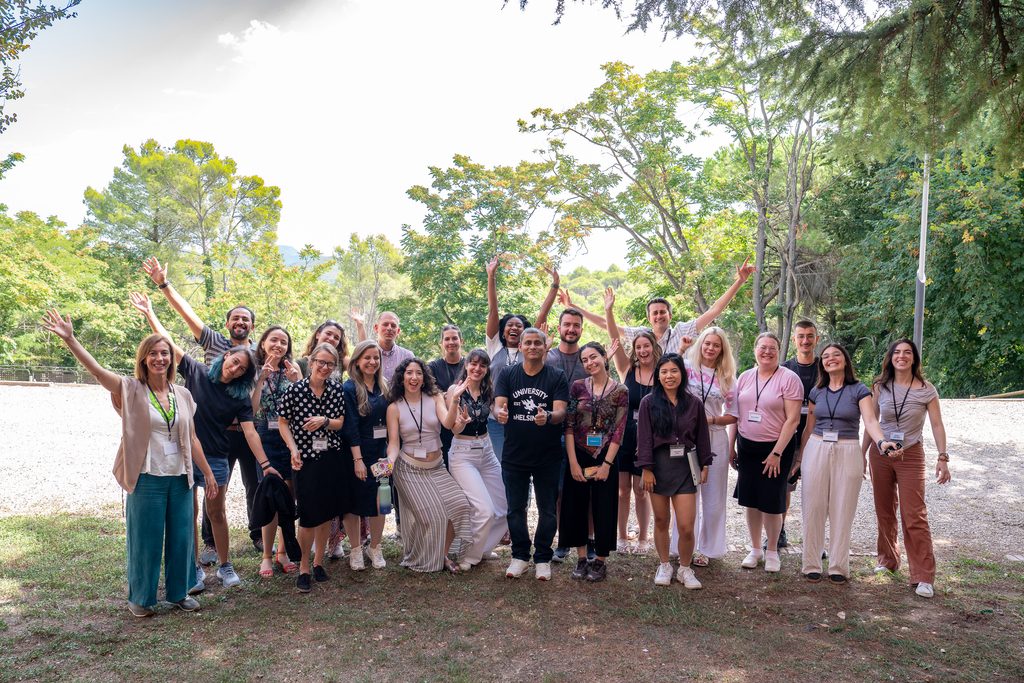
From 6-11 September 2026, 15 early-career researchers from across Europe gathered in Montserrat, Spain, for the third REMEDi4ALL Hackathon. Designed as an immersive learning experience, the five-day programme challenged participants to explore how medicines repurposing can help address unmet needs in rare neurodevelopmental disorders.
Working in multidisciplinary teams, participants focused on three conditions: PACS2 syndrome, SATB2-associated syndrome and MEF2C haploinsufficiency syndrome. Guided by experts from across the medicines repurposing ecosystem, they investigated disease mechanisms, identified potential therapeutic opportunities, and developed strategies for advancing promising candidates towards patient benefit.
The Hackathon takes participants through the full medicines repurposing journey, from scientific and computational approaches to regulatory strategy, health technology assessment, market access and patient engagement. Through workshops, mentoring sessions and collaborative challenges, participants gained first-hand experience with the complexity of translating research into real-world impact.
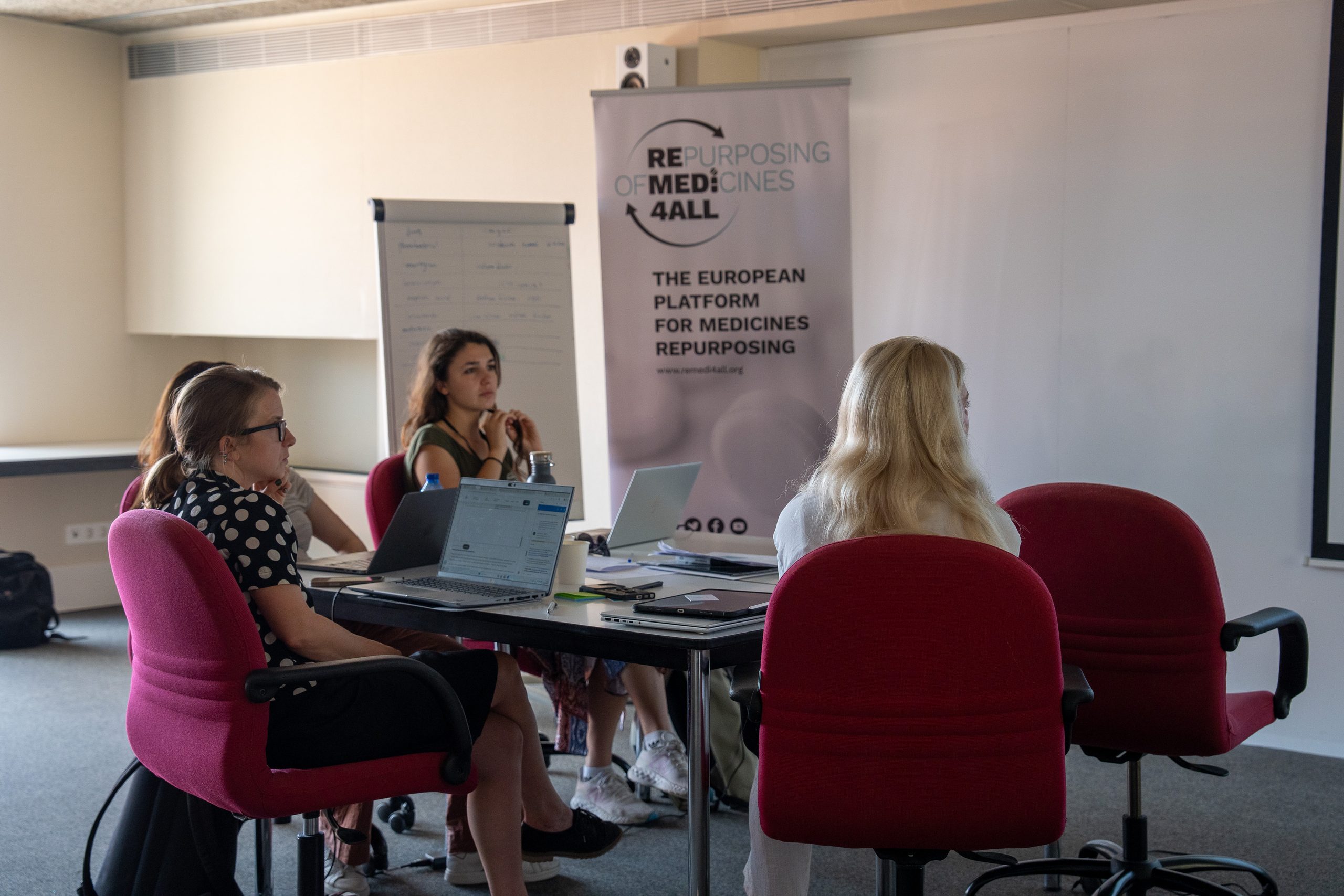
Learning from patients and experts
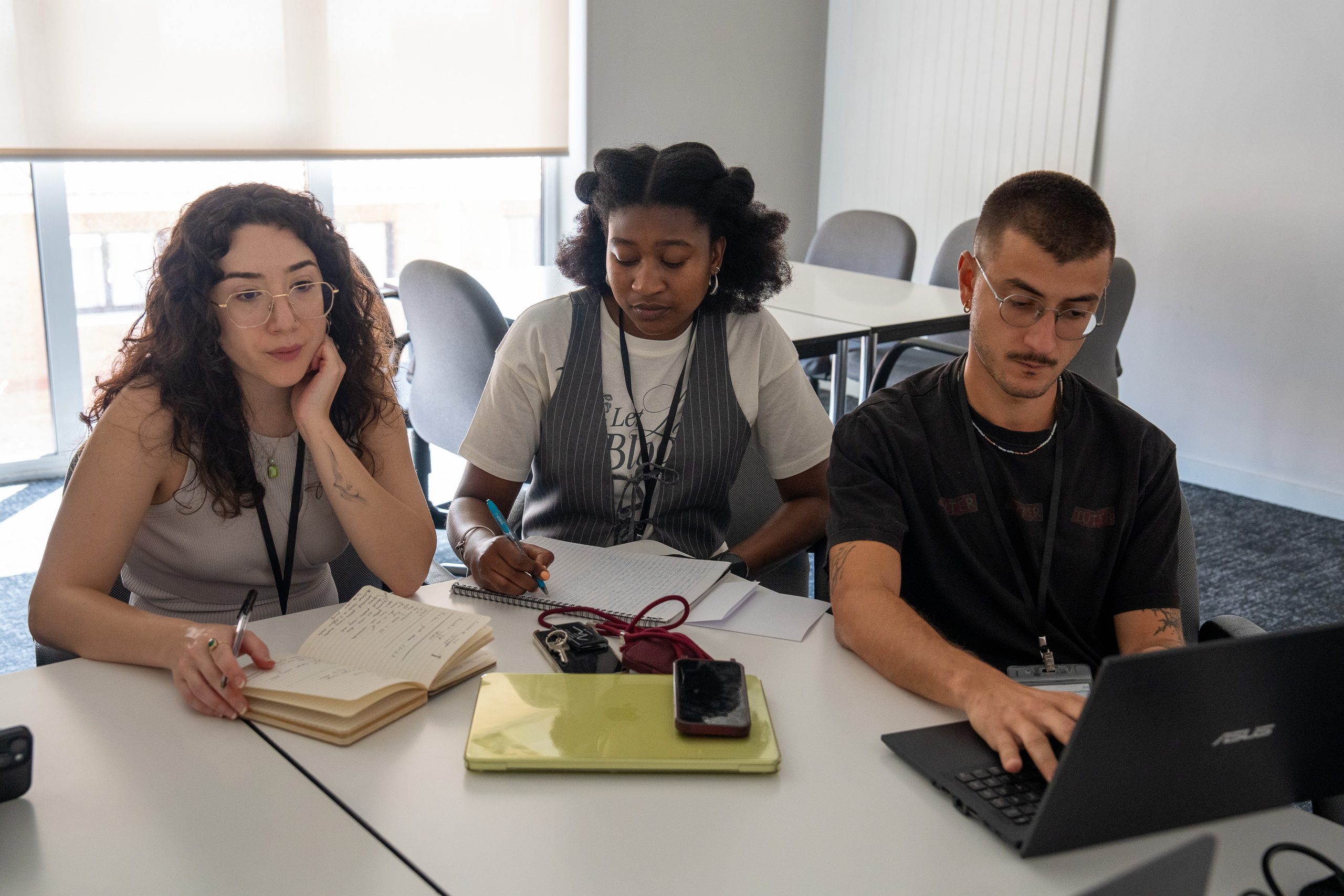
A defining feature of the Hackathon is its emphasis on ensuring that repurposing strategies are shaped not only by scientific evidence, but also by the needs and priorities of patients. Throughout the week, teams worked directly with patient advocates and families, gaining valuable insights into the lived realities of rare diseases and the priorities that matter most to affected communities.
As Eva Molero, CEO of Teamit Research and REMEDi4ALL partner, explained:
“We wanted participants to experience all the different components of a drug repurposing project and incorporate different perspectives. Not only the scientific and academic ones, but also regulatory aspects, market access and, very importantly, the patient perspective.”
For many participants, these interactions proved transformative.
“As a computational researcher, it was incredible to see that what we do can have a real impact in the real world. These are not just data.”
said Davide Scarpetta, PhD student at the Mario Negri Institute for Pharmacological Research.
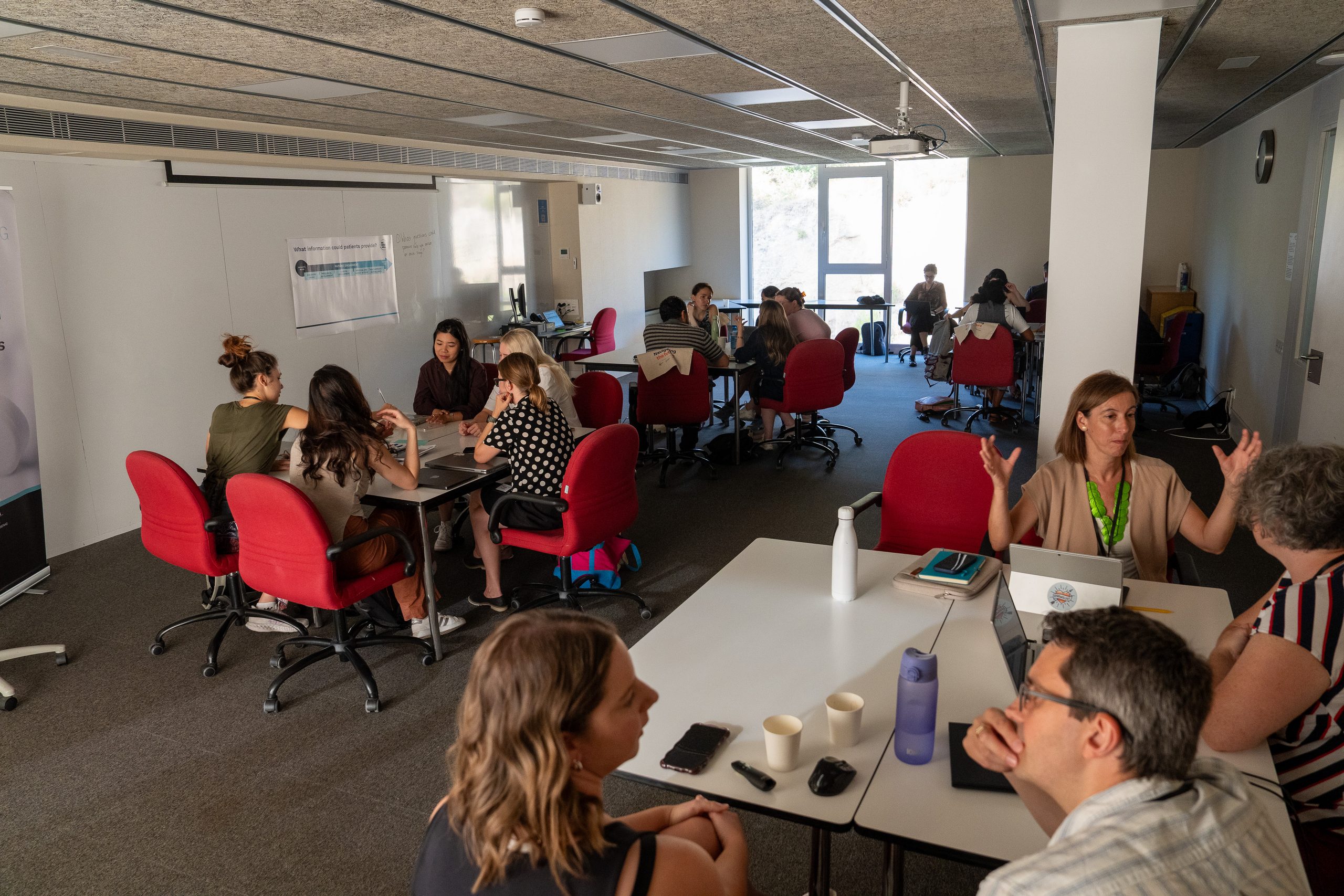
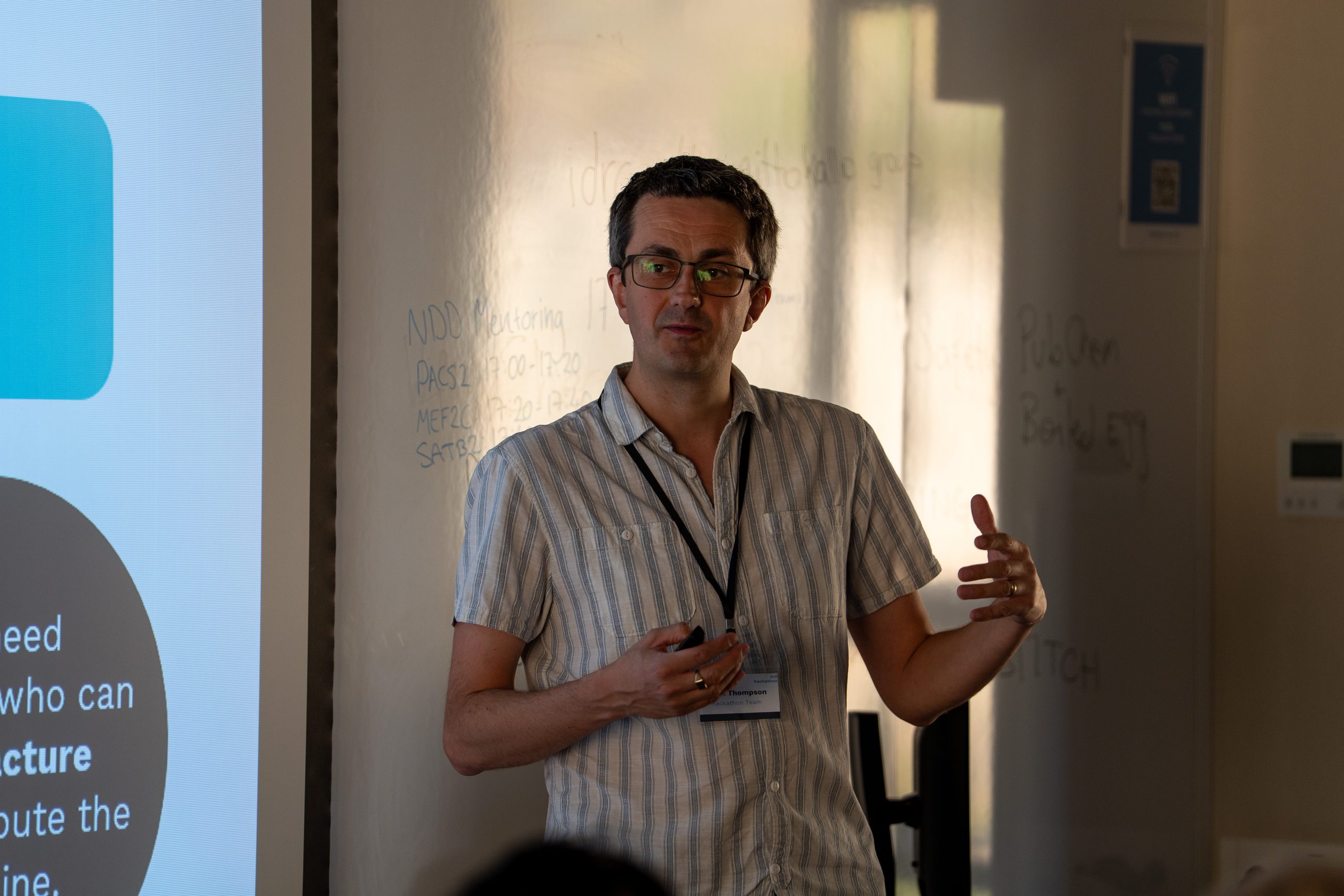
The programme also highlighted the importance of collaboration across disciplines and sectors. According to Rick Thompson, CEO of Beacon for Rare Diseases and Hackathon mentor:
“What we’re hoping the Hackathon does is let participants see how their scientific experience can connect to patients and to a product development mindset that delivers real impact.”
Building the next generation of medicines repurposing researchers
Participants consistently highlighted the opportunity to explore areas of drug development that are rarely covered during traditional academic training.
“The most interesting thing for me was understanding issues around commercialisation and health technology assessment. These are things I had never really been exposed to before.”
said Gamze Özata, PhD student at Ludwig Maximilian University Munich.
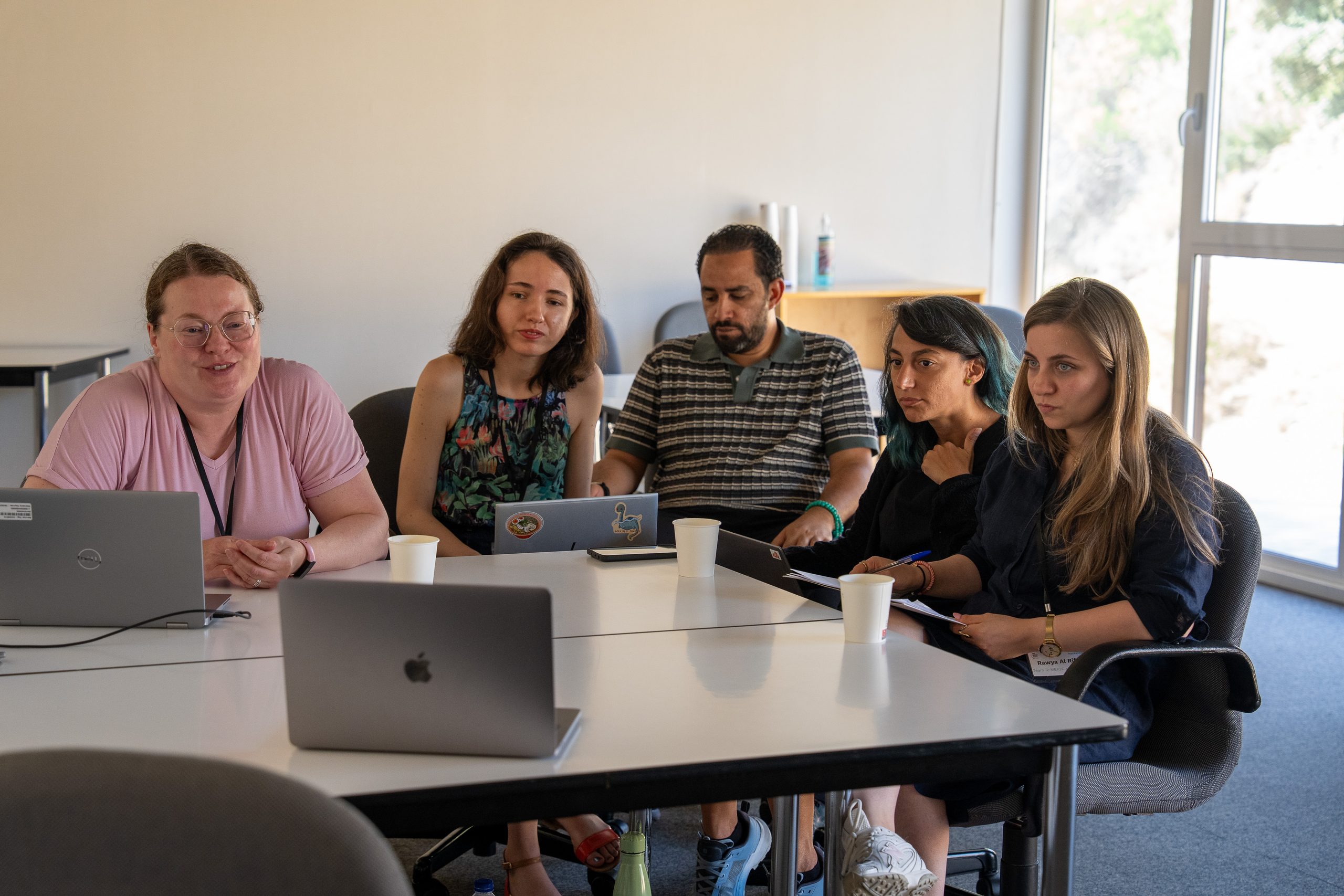
Similarly, Rawya Al Rifai, postdoctoral researcher at University Medicine Göttingen, reflected on the value of engaging with diverse perspectives:
“Working with different perspectives really helps you shape your way of thinking about drugs and finding therapies. It’s much more than a mathematical equation.”
By combining scientific discovery with patient engagement, regulatory science, health economics and collaborative problem-solving, the REMEDi4ALL Hackathon provides participants with a unique opportunity to understand the broader landscape of medicines repurposing and the pathways required to bring therapies closer to patients.
Recognising innovative solutions
The final day concluded with team presentations and evaluation by a panel of experts from across the REMEDi4ALL network alongside patient representatives for the chosen case studies. After presenting their proposed repurposing strategies, the winning team, representing SATB2-associated syndrome (SAS) was recognised for developing a particularly strong and well-rounded approach that combined scientific rationale with patient-centred thinking and consideration of the broader development pathway.
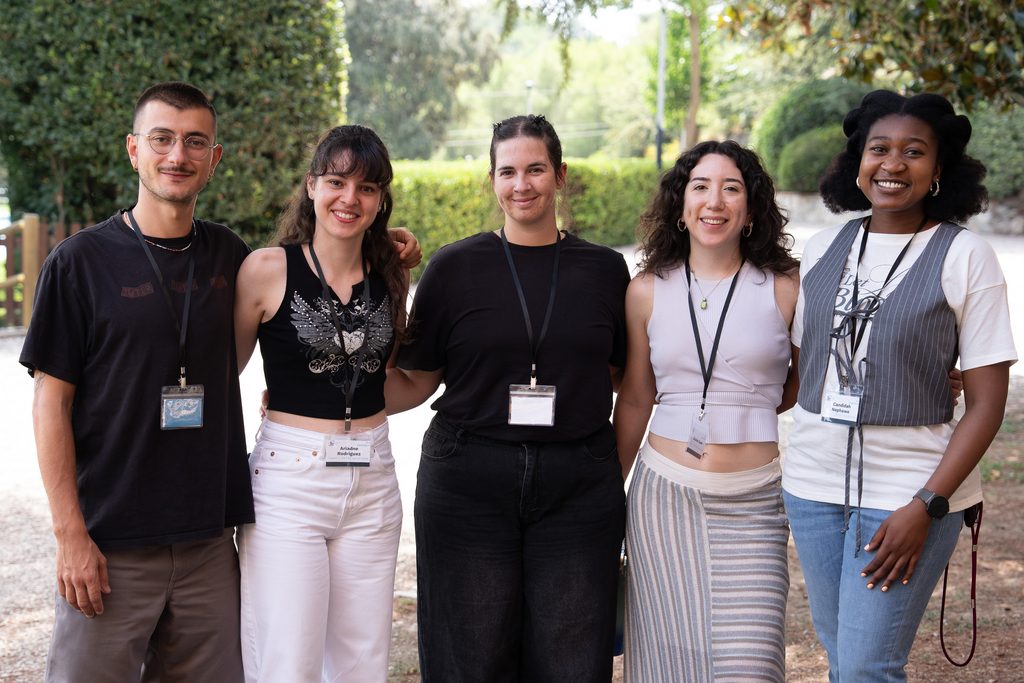
Beyond the final presentations, the Hackathon fostered collaboration, critical thinking and cross-disciplinary learning, giving participants the opportunity to build lasting connections with peers, mentors and patient representatives from across Europe.
Looking ahead
The Hackathon may have lasted five days, but its ambition extends well beyond Montserrat. Participants leave with new knowledge, interdisciplinary connections and a clearer understanding of what it takes to move a repurposing idea from scientific hypothesis towards patient impact – experience they can now take into their own research and future collaborations.
About REMEDi4ALL
REMEDi4ALL is creating a European platform to accelerate medicines repurposing, bringing together researchers, clinicians, patient organisations, research infrastructures and other stakeholders to help identify new uses for existing medicines. By providing expertise, services and support across the development pathway, REMEDi4ALL aims to accelerate patient access to safe, effective and affordable therapies for unmet medical needs.
Interested in learning more about REMEDi4ALL’s training opportunities? Explore the REMEDi4ALL Repurposing Academy.